Reader and Credential Planning
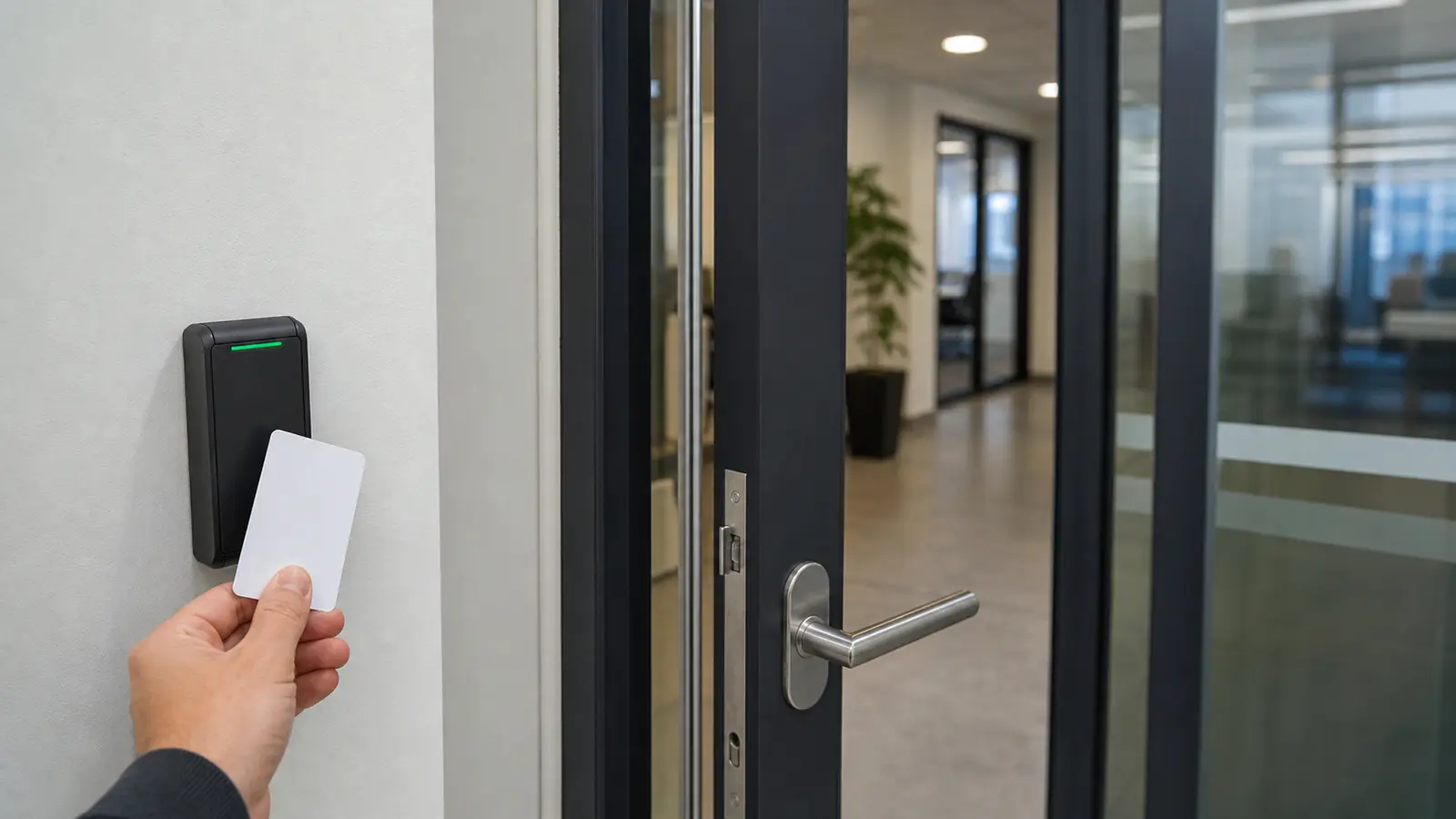
Card readers, supported mobile credentials and keypads are selected around door use, credential policy, user groups, exterior exposure and administrator workflow.

COMMERCIAL ACCESS CONTROL
Data Pro Communications designs and installs commercial door access control systems for Tampa Bay offices, warehouses, industrial facilities, healthcare properties, retail spaces, multifamily communities, HOAs and managed buildings that need reliable entry control without treating every door the same.
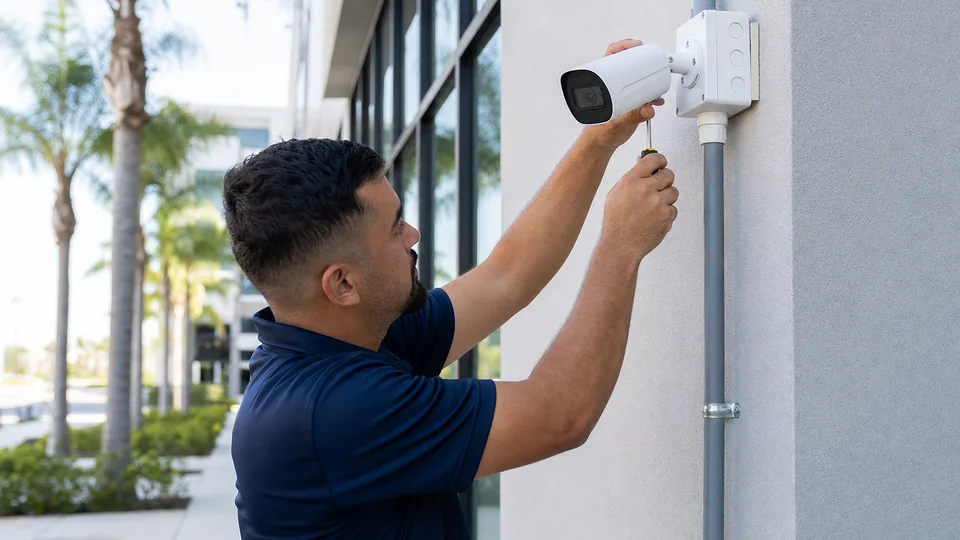
Projects can include card readers, supported mobile credentials, keypads, door controllers, electric strikes, magnetic locks where appropriate, request-to-exit devices, door position monitoring, power supplies, credential management, user permissions, audit trails, camera-event coordination, intercom coordination and documented handoff.
SERVICE OVERVIEW
A good access control system starts with how the property actually operates. Staff entrances, tenant doors, restricted rooms, loading areas, gate entries, elevators, amenity spaces and after-hours access each create different requirements for credentials, schedules, monitoring and administrator control.
Data Pro Communications coordinates the low-voltage portions of the project so door hardware, readers, controllers, power, network cabling, intercoms and cameras can support the same operating plan. The result is easier user management, cleaner documentation and a more serviceable system.
Selected larger residential or mixed-use properties may be a fit when the scope involves multiple controlled entries, professional cabling, credential planning, gate or intercom coordination, camera integration, user documentation and expansion planning.
TAMPA FIT
Tampa properties often combine public-facing entrances with back-of-house doors, service corridors, parking access, tenant areas and restricted rooms. Downtown offices, Westshore properties, Ybor and Channelside hospitality spaces, logistics facilities near port and interstate routes, medical offices and managed communities all benefit from access plans that separate employee convenience from facility control.
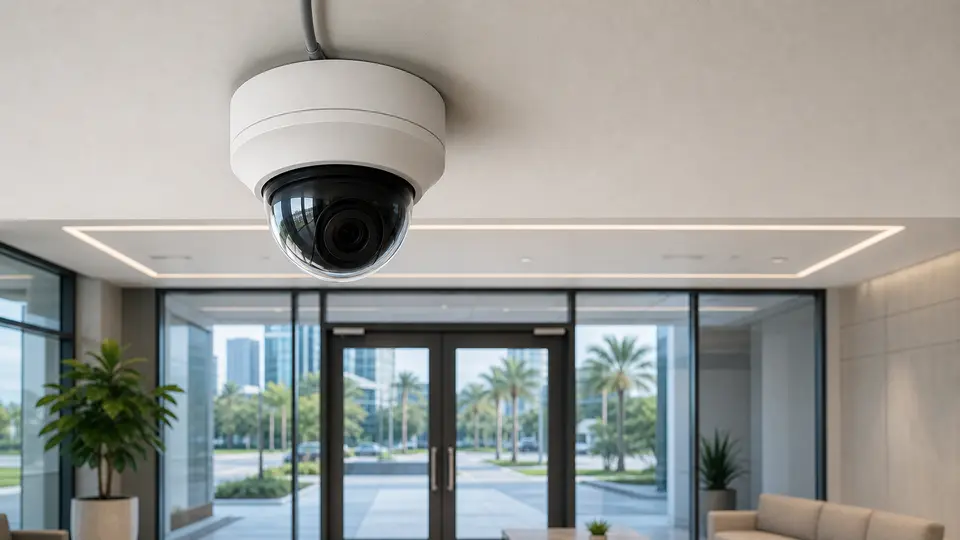
For commercial teams, practical access control is less about replacing keys everywhere and more about making entry decisions measurable. Managers may need to add or remove users quickly, review access history, support multiple shifts, coordinate a lobby door with an intercom or pair a restricted stockroom door with nearby video.
Operational recommendations include documenting every controlled opening before hardware selection and confirming network, cabling and power conditions before installation. Properties with phased buildouts should also reserve controller capacity, cabinet space and cable pathways for future doors.




PROCESS
Confirm controlled openings, users, schedules, visitor flow, management roles, camera positions, intercom needs and existing hardware conditions.
Plan readers, credentials, controllers, locking hardware coordination, power, cabling, network requirements, platform type and future expansion.
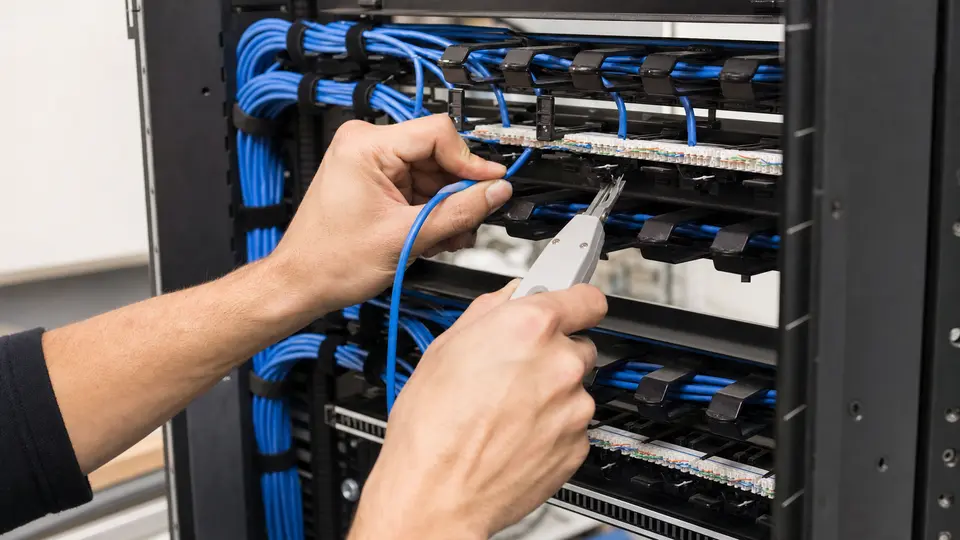
Install low-voltage devices, terminate cabling, configure user groups, schedules, events, alerts and supported integrations within documented scope.
Test each opening, verify credential behavior, document administrator steps, label devices and provide notes for service, training and expansion.
FAQ
Data Pro Communications installs commercial access control systems that may include card readers, supported mobile credentials, keypads, door controllers, electric strikes, magnetic locks where appropriate, request-to-exit devices, door position monitoring, power supplies and platform configuration.
Yes. Where the selected platform and camera system support it, access events can be coordinated with nearby camera views so managers can review door activity alongside video evidence.
No. Exterior doors, glass doors, interior offices, gates, storage rooms and high-traffic staff entrances can require different readers, locking hardware coordination, power planning and monitoring inputs.
Mobile credentials may be available when the selected platform, readers, phones, licensing and administrator policy support them. Data Pro Communications reviews those requirements before recommending mobile access.
Access control is a low-voltage system for managing credentials, permissions, readers, controllers and door events. Mechanical lock work, keying and door-code approval remain separate scopes unless handled by the appropriate qualified party.
Yes. The handoff can include administrator guidance for adding users, removing credentials, assigning schedules and reviewing access activity within the selected platform.
Door position monitoring uses a contact or input to help show whether a door is open, closed or held open. It can improve operational awareness when configured with the access control platform.
No. Magnetic locks must be evaluated carefully against door type, egress requirements, power behavior and project scope. They are used only where appropriate for the opening and documented design.
Yes. Many properties begin with priority doors and plan controller capacity, cable pathways, cabinet space and platform structure for later expansion.
Useful information includes door count, door types, desired credentials, user groups, schedule needs, existing locks, network availability, intercom or gate requirements and any camera coordination goals.
No. The project can support coordination and documentation within the low-voltage scope, but permitting, code approval and door hardware compliance decisions are handled by the applicable authorities and qualified trades.
Yes. User groups and permissions can be configured to separate tenants, departments, shifts, managers, vendors and facility teams when the selected platform supports those workflows.
Behavior during an internet outage depends on the selected platform, controller design, local network, credential storage and power conditions. Those limitations should be reviewed during design.
Existing cabling may be reviewed, but reuse is not guaranteed. Access control wiring must be suitable for the device, route, condition, voltage and documentation requirements.
The handoff can include tested door behavior, device labels, user-permission notes, administrator guidance, platform access details, wiring documentation and recommendations for future controlled openings.
NEXT STEP
Schedule a Tampa Bay site survey for access control installation that accounts for the property, devices, cabling, documentation and expansion needs before installation begins.