Structured Cabling
Cat6, Cat6A, fiber pathways where appropriate, rack organization, patch panels, terminations, labeling, and cable routes that support cameras, access control, Wi-Fi, intercoms, and business network equipment.

COMMERCIAL SECURITY CAMERA INSTALLATION
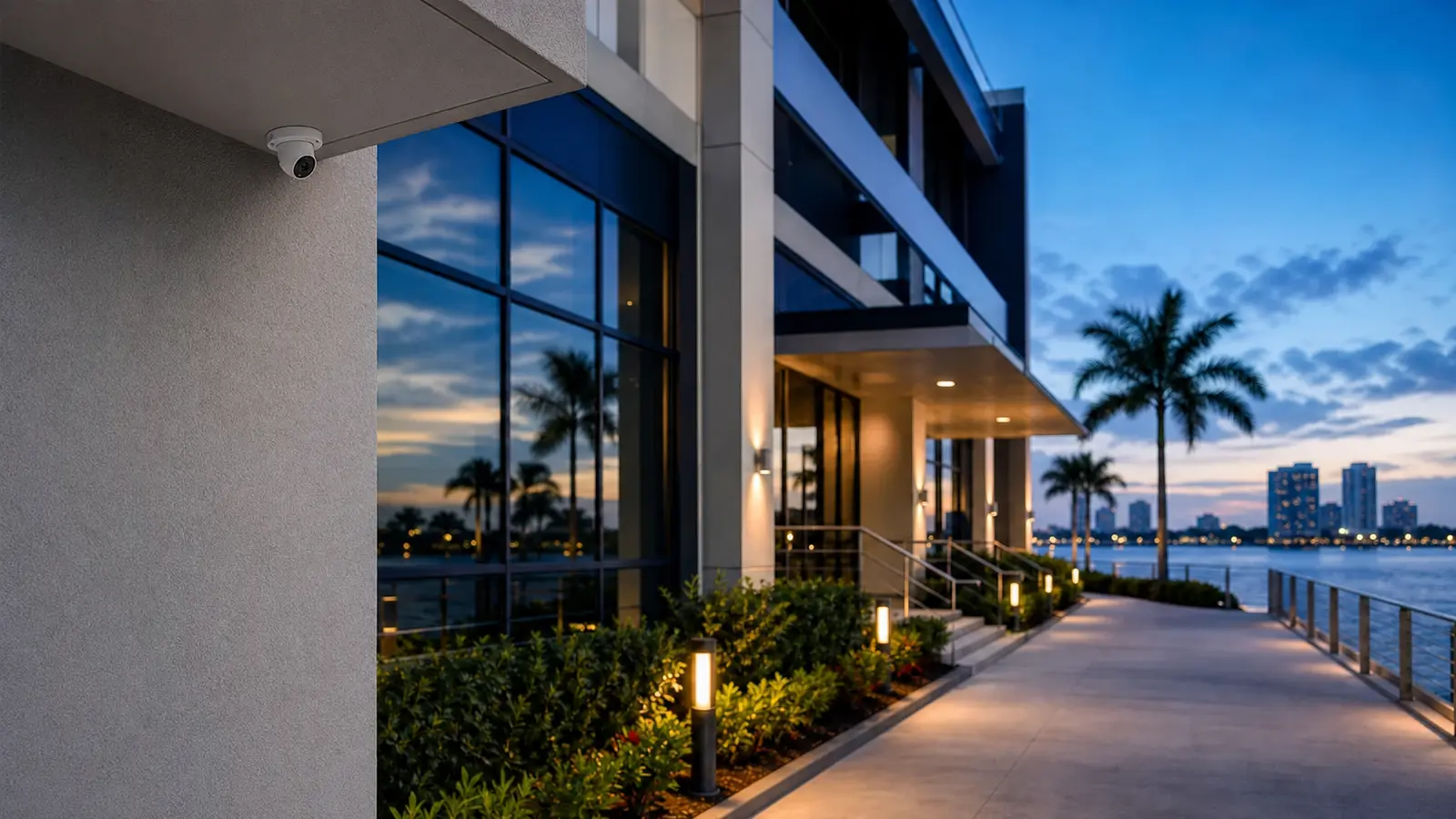
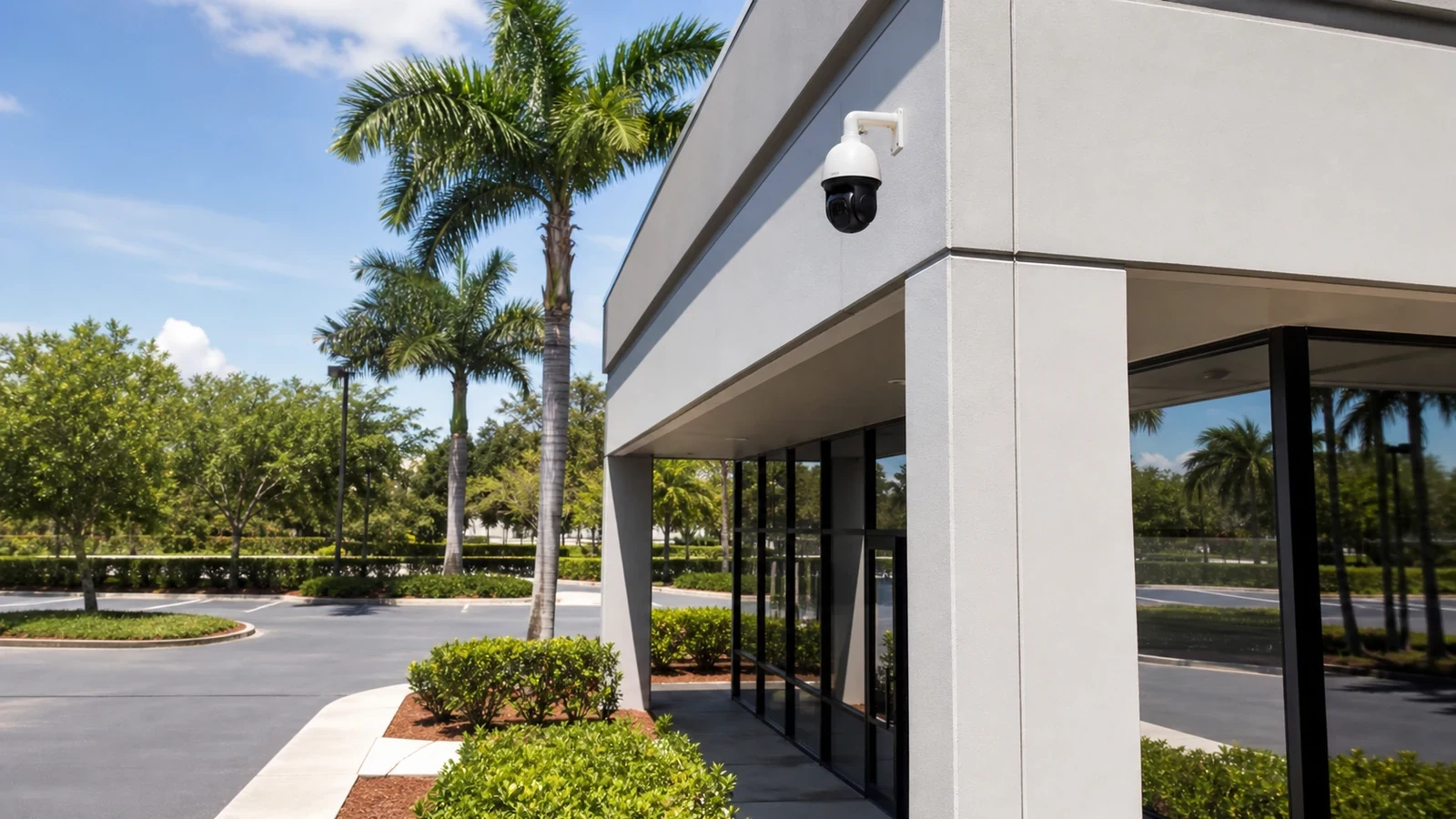
Data Pro Communications plans and installs commercial security camera systems for Tampa Bay businesses and managed properties that need dependable visibility across entrances, parking areas, loading zones, lobbies, gates, shared spaces, storage areas, and after-hours activity.
Projects are built around the way the property operates: camera placement, lens selection, cabling routes, NVR or VMS recording, remote viewing, user permissions, network readiness, and future expansion. Select larger residential projects may also be considered when they require professional planning, multiple coverage zones, structured cabling, remote access, or integrated entry systems.
CAMERA SYSTEM PLANNING
Security camera installation works best when the design starts with the property layout, operating hours, access points, and review workflow instead of a fixed camera package. Data Pro Communications reviews entrances, reception areas, employee doors, customer paths, truck courts, parking fields, lobbies, gates, equipment zones, network closets, cable pathways, exterior exposure, and blind spots before recommending camera placement.
Tampa Bay properties often combine high customer traffic, employee parking, deliveries, storms, sun glare, coastal conditions, and after-hours activity. Offices, warehouses, retail centers, restaurants, healthcare facilities, hospitality properties, industrial sites, HOAs, multifamily communities, schools, houses of worship, and construction sites all need different camera views, mounting approaches, storage plans, and user permissions.
The goal is a system that helps authorized users see what matters: who entered, where vehicles moved, how deliveries were handled, what happened in shared areas, and whether exterior views remain useful at night. Camera planning can also account for access control, intercoms, cabling, network infrastructure, and future expansion so the system remains serviceable after the first installation.
PRIMARY CAMERA SERVICE
Data Pro Communications installs commercial IP cameras, CCTV systems, NVR recording equipment, PoE cabling, camera mounts, remote viewing access, mobile viewing, and related low-voltage infrastructure for Tampa Bay properties. Systems are planned around useful fields of view, lighting, storage, user permissions, network readiness, and long-term support instead of generic camera placement.
Schedule a Site AssessmentSUPPORTING LOW-VOLTAGE SERVICES
Cat6, Cat6A, fiber pathways where appropriate, rack organization, patch panels, terminations, labeling, and cable routes that support cameras, access control, Wi-Fi, intercoms, and business network equipment.
Card readers, keypads, door access, gate entry, intercom coordination, cloud-managed access, and camera-event context can be planned with the camera system when the property needs connected security infrastructure.
PoE switches, NVR connectivity, VLAN coordination, rack equipment, network closet cleanup, wireless bridge planning where appropriate, and remote-viewing readiness help cameras perform reliably after installation.
RELATED SERVICES
TAMPA BAY OPERATING CONTEXT
Tampa Bay camera projects are shaped by a diverse commercial market. Regional economic-development sources identify financial and professional services, information technology, life sciences and healthcare, defense and security, manufacturing, logistics and distribution, and corporate headquarters as important target sectors. Those property types create different visibility needs, from controlled reception areas and records spaces to loading zones, manufacturing floors, parking fields, and multi-tenant entries.
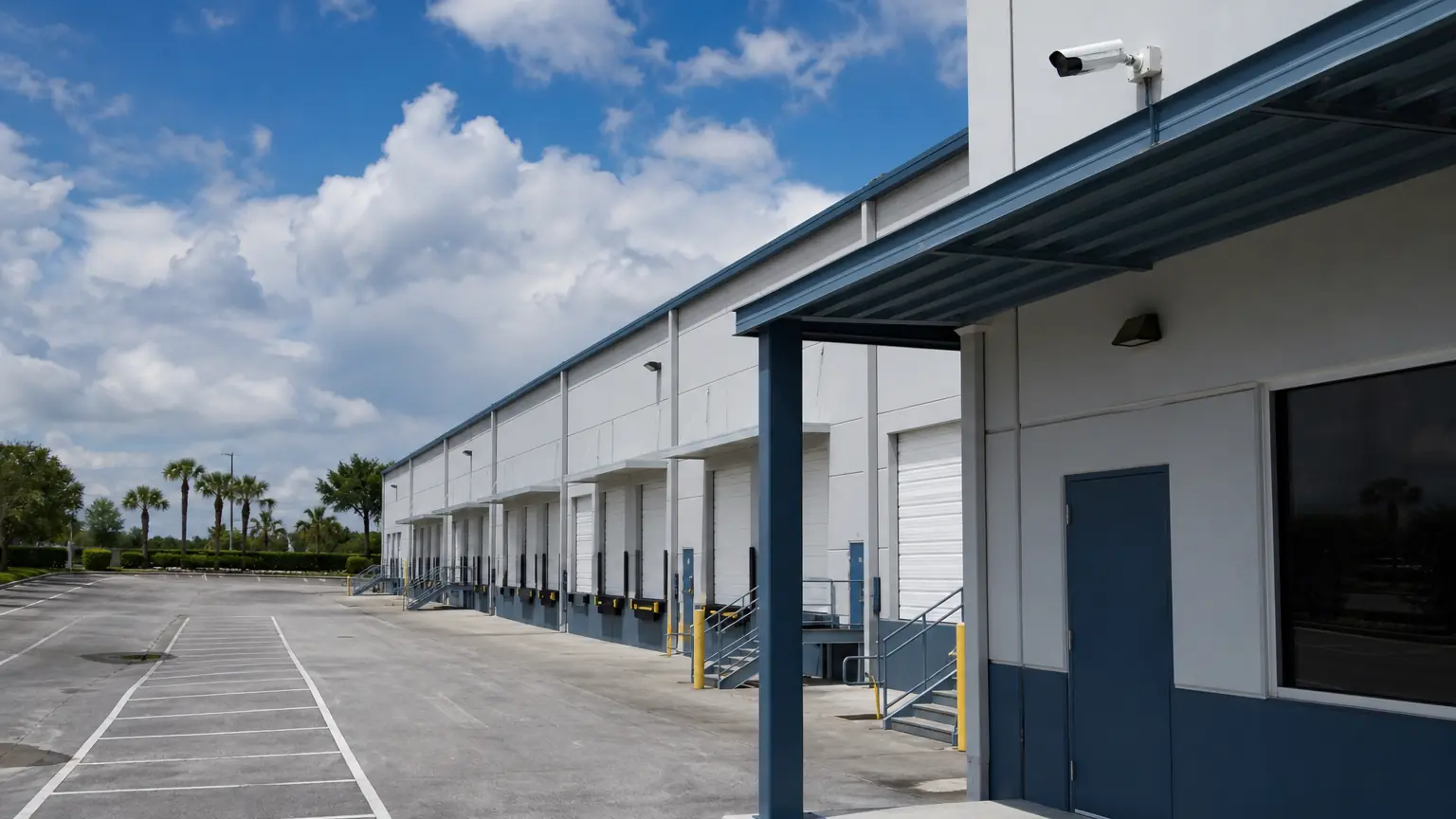
The Port Tampa Bay and I-4 corridor environment adds logistics, warehousing, cargo, distribution, and industrial security considerations. Port-adjacent and industrial properties may need cameras at truck courts, gates, dock doors, staging zones, equipment yards, fuel or materials areas, and long exterior approaches. These sites benefit from durable mounting, clean cable protection, careful lens selection, and storage planning that supports incident review.
Downtown Tampa, Water Street, Westshore, Ybor City, Channelside, South Tampa, Brandon, Riverview, Clearwater, St. Petersburg, Largo, Oldsmar, Safety Harbor, Wesley Chapel, Lutz, Plant City, and surrounding Tampa Bay corridors include offices, mixed-use properties, restaurants, hotels, medical offices, retail spaces, multifamily communities, HOAs, schools, and managed facilities. Camera design should account for customer flow, visitor access, staff entrances, common areas, parking, deliveries, storms, sun exposure, and remote management.
PROCESS
Review coverage goals, property layout, operating hours, camera locations, blind spots, lighting, cable pathways, network conditions, recording needs, remote access, and integration requirements.
Plan camera types, lenses, mounting positions, NVR or VMS recording, PoE connectivity, retention, user permissions, remote viewing, and optional access-control coordination around the site.
Install cameras, mounts, cabling, terminations, recorder components, network connections, labels, and related low-voltage infrastructure with attention to service access and clean workmanship.
Confirm camera views, focus, recording, remote viewing, user access, naming, documentation, and support expectations before project closeout and future expansion planning.
COMMERCIAL CAMERA SERVICES
A commercial camera system has to do more than show that cameras are present. It should produce views that help authorized users understand activity, review incidents, manage access points, support staff safety, monitor shared spaces, and protect important property areas. That requires planning around image detail, camera angle, mounting height, lighting, retention, user permissions, and the network infrastructure behind the system.
For offices and retail properties, the priority may be entrances, reception points, customer routes, deliveries, staff areas, registers, parking, and after-hours movement. For warehouses and industrial sites, the design may prioritize loading docks, long approaches, truck courts, gates, inventory movement, exterior yards, maintenance areas, and production zones. For healthcare, hospitality, multifamily, and HOA properties, camera planning often involves lobbies, visitor movement, common areas, package rooms, amenity spaces, parking, elevators, corridors, and controlled entrances.
Data Pro Communications can coordinate cameras with structured cabling, PoE switches, NVRs, access control, intercoms, Wi-Fi, network closets, documentation, and service workflows. The result is a practical camera system that fits the property today and leaves a clearer path for support or expansion later.
TAMPA BAY SERVICE BY DATA PRO COMMUNICATIONS
Data Pro Communications gives Tampa Bay businesses and managed properties a camera-focused service path backed by Florida-licensed low-voltage experience. Camera systems can be coordinated with structured cabling, access control, network infrastructure, documentation, service, and future expansion when the property requires connected technology systems.
FLORIDA LICENSED LOW-VOLTAGE CONTRACTOR
FL License #EC13016138. Data Pro Communications supports commercial security camera, structured cabling, access control, network infrastructure, and related low-voltage technology projects across approved Florida service areas.
PROPERTY APPLICATIONS
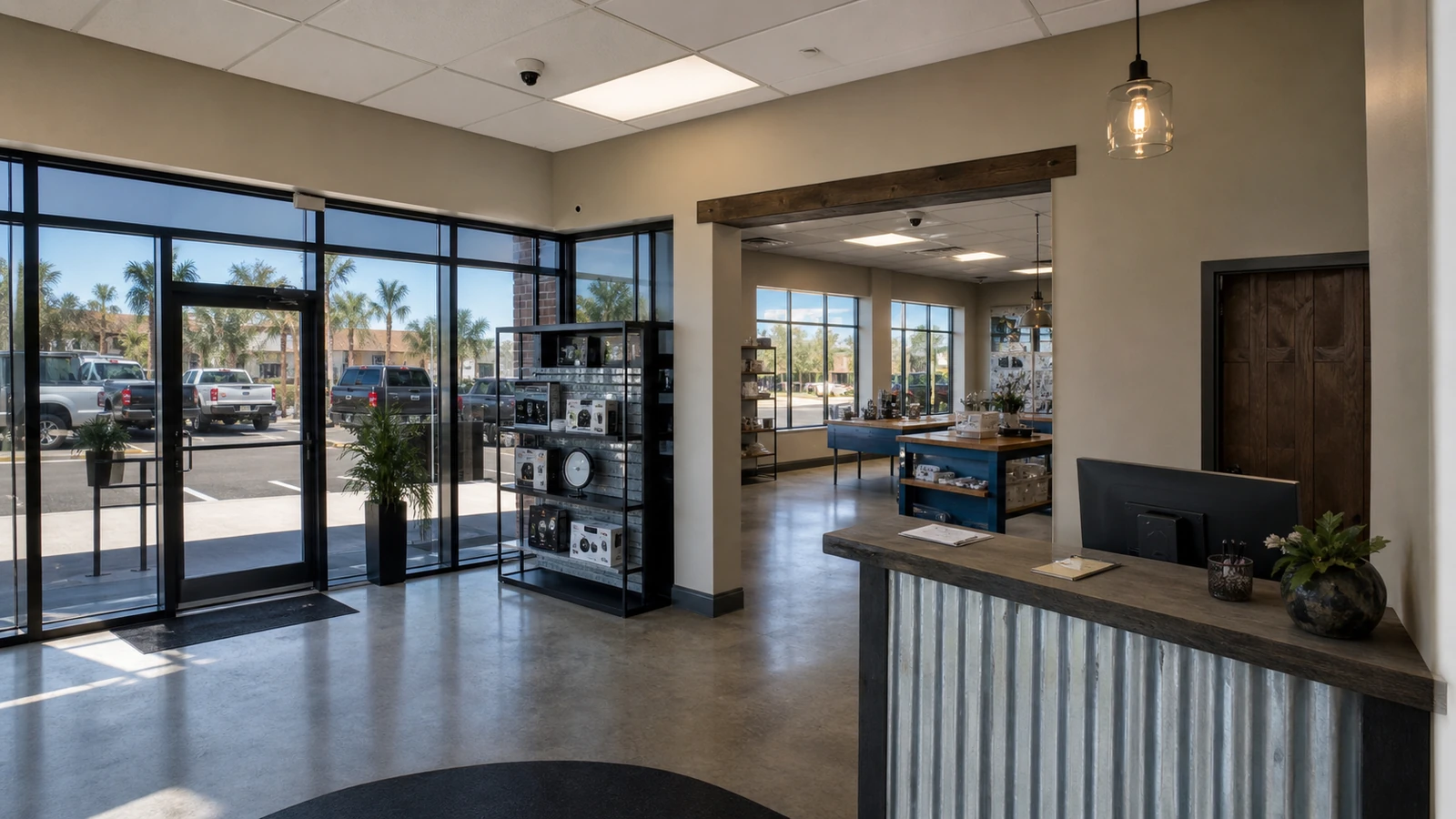
Camera coverage for entrances, reception points, customer paths, registers or transaction-adjacent areas, deliveries, staff spaces, parking, and after-hours activity. Systems may include remote viewing, NVR recording, user permissions, and coordinated access control.
View Retail and Office Camera Solutions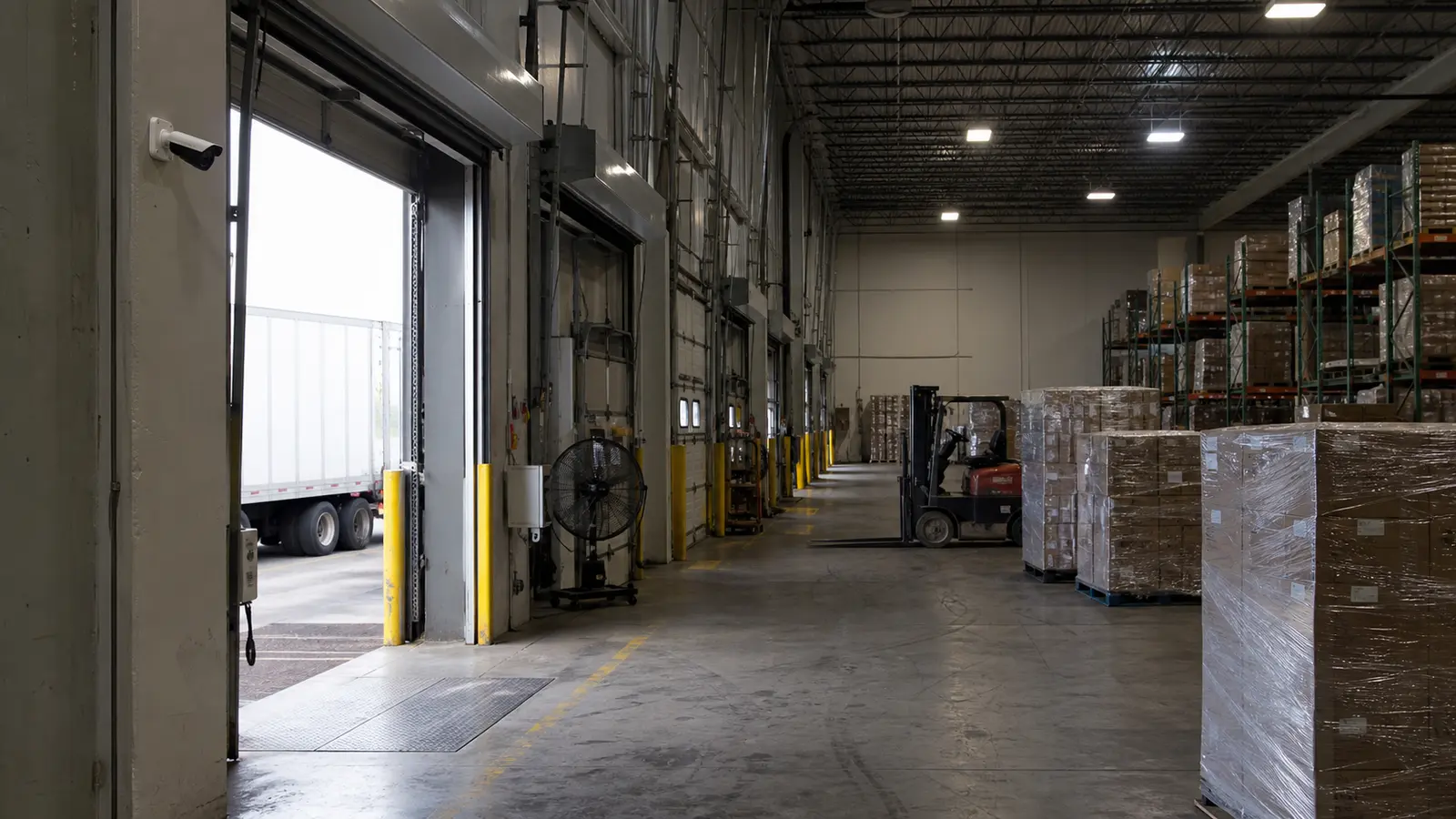
Camera planning for truck courts, loading docks, receiving doors, warehouse aisles, inventory movement, employee parking, yards, gates, and long exterior approaches common to Tampa Bay distribution and industrial corridors.
View Warehouse Camera Solutions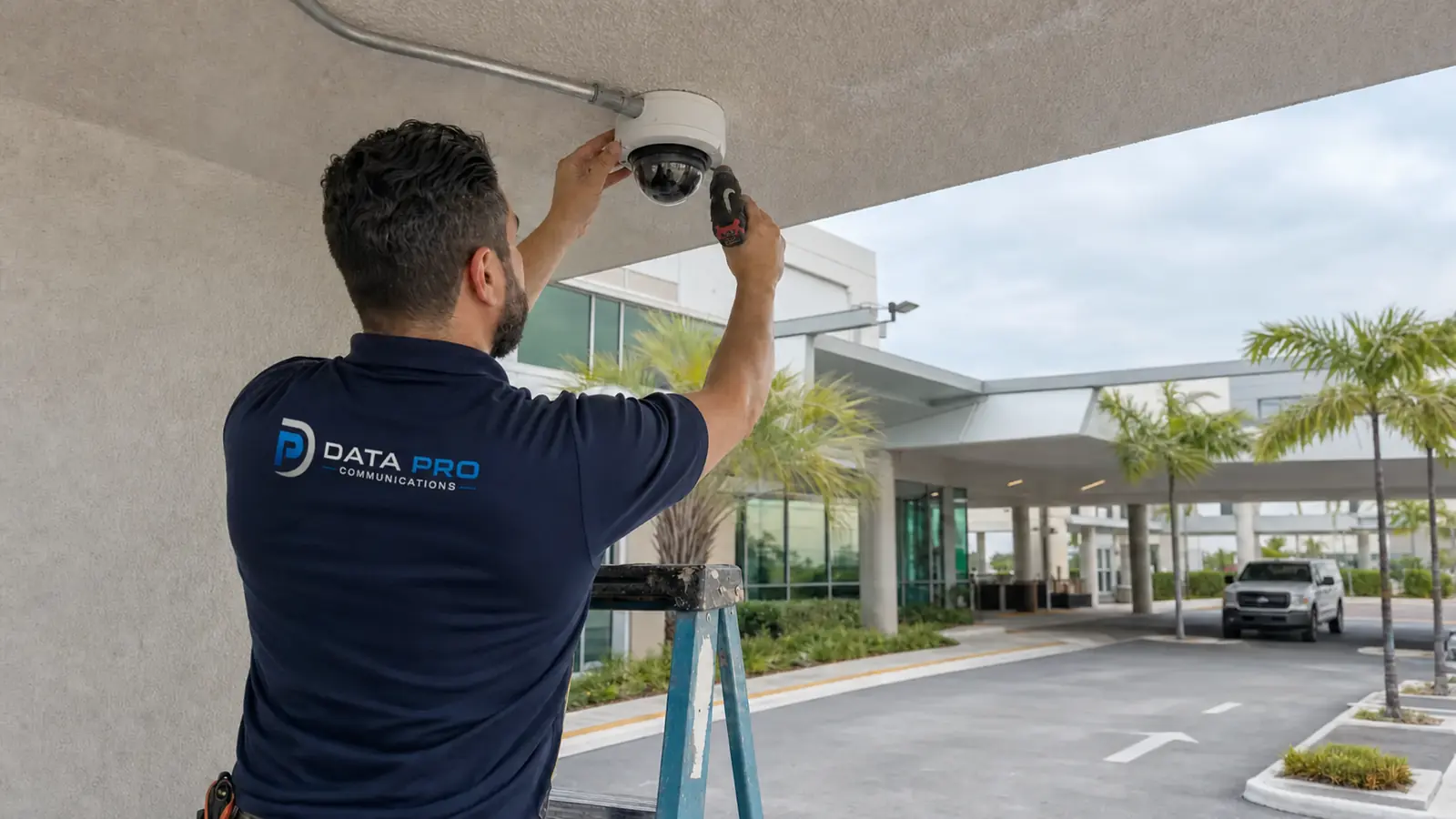
Coverage for visitor entrances, reception areas, parking, staff doors, records-adjacent zones, controlled corridors, and after-hours activity, with user permissions and privacy boundaries considered during planning.
Read Healthcare Camera Planning Guide
Camera layouts for yards, production areas, equipment zones, gates, loading points, perimeter approaches, maintenance areas, and low-light exterior conditions that require durable mounting and useful review angles.
View Industrial Camera Solutions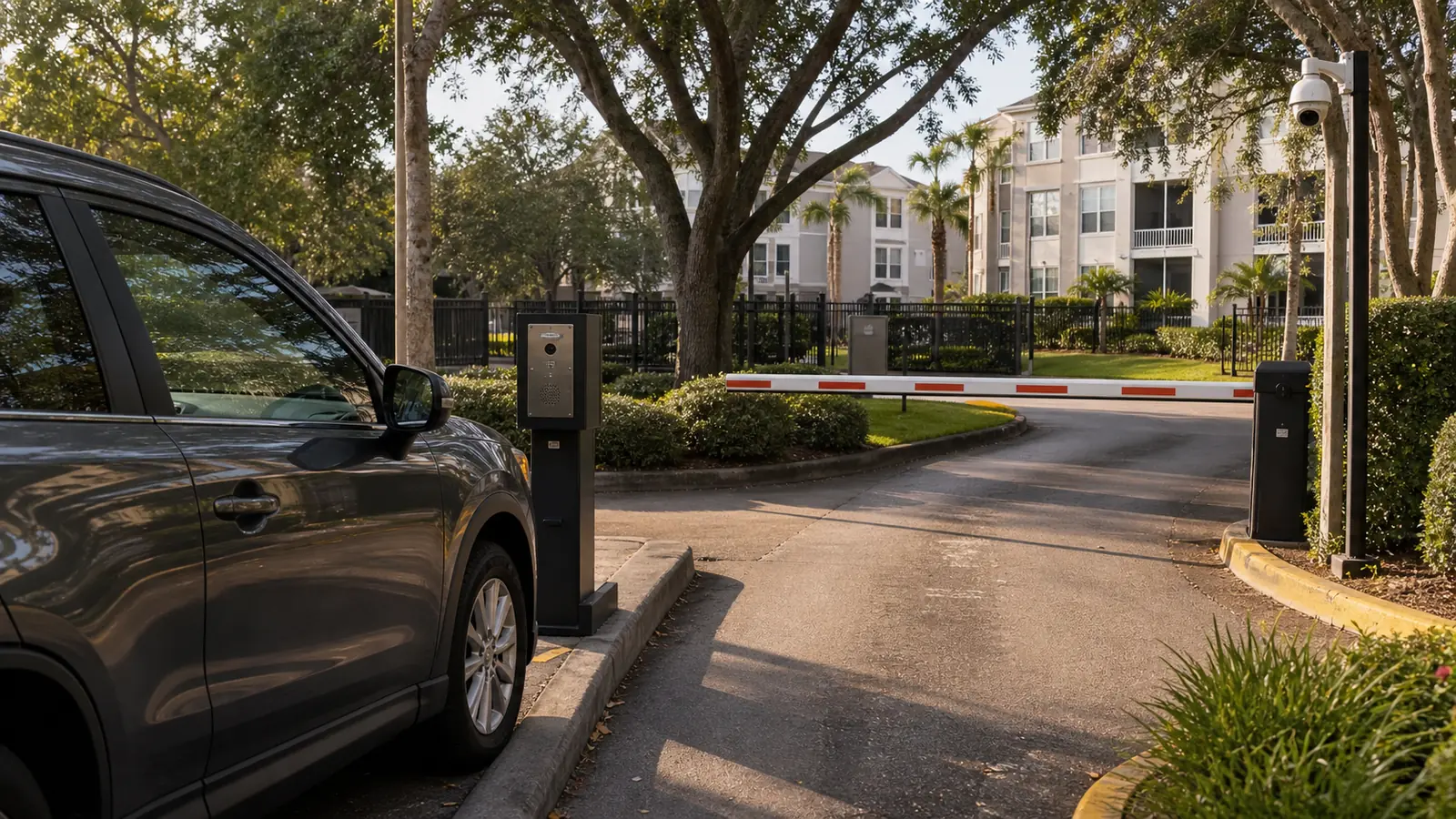
Coverage for community entrances, gates, amenity areas, pools, parking, package rooms, common spaces, leasing offices, and property-management workflows, including remote viewing and documented closeout notes.
View HOA and Multifamily Camera Solutions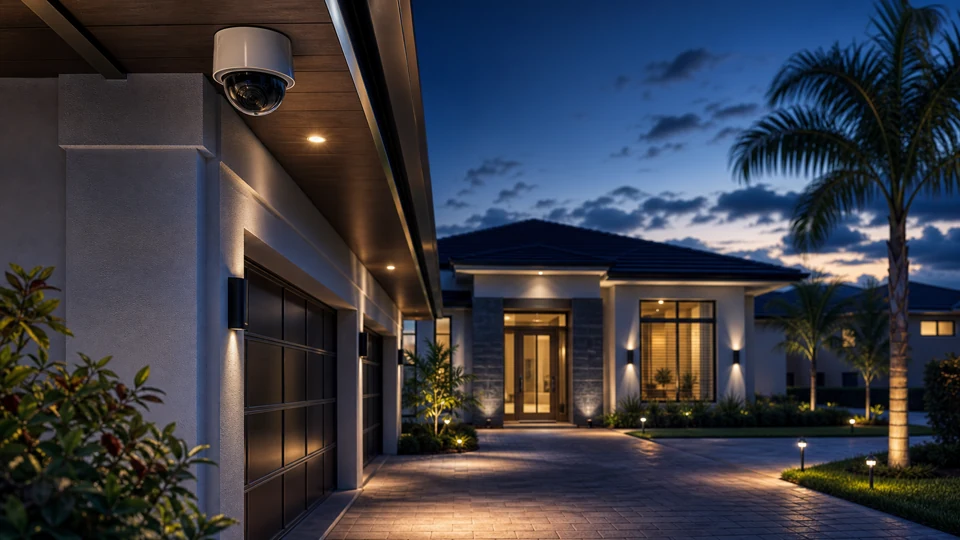
Professional camera systems for larger homes, gated properties, estates, driveways, garages, entrances, perimeter zones, and integrated gate or intercom requirements where the project needs structured cabling and planned system documentation.
View Select Residential Camera SolutionsFAQ
Data Pro Communications installs commercial IP camera systems, CCTV cameras, NVR recording systems, PoE camera networks, remote viewing access, mobile viewing, camera system upgrades, and camera infrastructure that can coordinate with structured cabling, access control, intercoms, and network equipment. Projects are planned around the property, not a generic camera count, so the final system supports useful views and practical operation.
The primary focus is commercial security camera installation for businesses, offices, warehouses, retail spaces, healthcare facilities, hospitality properties, industrial sites, HOAs, multifamily communities, construction partners, and managed properties. Select larger residential projects may be considered when they require professional planning, multiple cameras, structured cabling, network coordination, remote access, gates, intercoms, or integrated low-voltage systems.
Camera placement starts with a site review of entrances, customer paths, employee areas, lobbies, parking lots, loading zones, gates, equipment areas, blind spots, lighting, mounting surfaces, cable routes, and the activity each camera needs to capture. The goal is to place cameras where they produce useful video for identification, overview, incident review, access monitoring, and daily operations.
Yes. Warehouse, logistics, port-adjacent, and industrial camera projects often need coverage for truck courts, receiving doors, loading docks, staging areas, inventory aisles, equipment yards, employee parking, gates, long exterior approaches, and low-light perimeter areas. Those conditions affect lens selection, mounting height, recording retention, cable pathways, network design, and service access.
Yes. Camera projects can be coordinated with access control, intercoms, gate entry, door hardware, card readers, keypads, structured cabling, switches, and network infrastructure. When systems are planned together, managers can review video around access events, improve entry visibility, and avoid separate low-voltage work that conflicts with camera cabling or network needs.
Yes. Data Pro Communications can provide Cat6, Cat6A, fiber pathways where appropriate, cable routing, terminations, labeling, patch panels, rack organization, PoE switch coordination, and network closet planning for camera projects. Clean cabling and documentation make the system easier to service, expand, and support after installation.
Often, yes. Existing cameras, recorders, cabling, switches, remote viewing, storage, and image quality can be reviewed to determine whether targeted upgrades, added cameras, recorder replacement, network improvements, or a phased system refresh is the better fit. The review should identify what can be reused safely and what limits the system.
Exterior camera planning in Tampa Bay should account for sun glare, rain, wind exposure, corrosion risk near coastal areas, lightning risk, mounting surfaces, nighttime lighting, field of view, cable protection, service access, and network equipment location. Cameras should be positioned to capture the right activity without creating duplicate views or blind spots.
Yes. Camera planning for healthcare, professional, and financial offices often focuses on entrances, reception areas, visitor movement, records or restricted spaces, staff doors, parking, after-hours activity, and user permissions. Camera placement should support operational visibility while respecting privacy boundaries and the way the office actually functions.
Yes. Remote viewing can be configured for approved users based on the selected recorder, VMS, camera platform, and network conditions. User roles, permissions, mobile access, password practices, and review workflows should be planned during the project so access is useful without becoming difficult to manage.
Storage depends on camera count, resolution, frame rate, compression, recording schedule, motion settings, retention goals, and whether analytics or high-detail views are needed. A warehouse with many high-resolution exterior cameras usually needs different storage planning than a small office with fewer interior cameras. Retention requirements should be discussed before equipment is selected.
Yes, when the selected camera and video platform supports the required functions and the site conditions are appropriate. Analytics may help with people or vehicle detection, line crossing, object search, perimeter events, and event-based review. Analytics should be treated as a planning feature, not a substitute for proper camera placement, lighting, and system testing.
Yes. Multi-site camera projects can be planned around consistent equipment standards, user roles, remote access, documentation, naming conventions, serviceable cabling, and phased installation. This is useful for property managers, HOAs, multifamily operators, healthcare groups, retail operators, and organizations that need repeatable camera workflows across multiple Tampa Bay properties.
A site survey reviews the property layout, coverage goals, current system if one exists, entrances, parking, loading areas, common spaces, network closets, cable routes, lighting, mounting conditions, recording needs, remote access requirements, integrations, and timeline. The findings guide camera placement, infrastructure planning, and the next step for the project.
Use the contact form on this page or call (813) 803-5048. Share the property type, location, current camera or cabling conditions, areas that need coverage, recording and remote-viewing goals, integration needs, and timeline so Data Pro Communications can review the request and help define the appropriate next step.
PLATFORMS & TECHNOLOGIES
Technology selection depends on the property, coverage goals, recording retention, access-control requirements, network infrastructure, user workflow, support model, lifecycle, and budget. Brand inclusion does not imply certification, authorization, or partnership unless separately documented.
Tell us about your property, coverage goals, existing cameras, cabling, access-control needs, remote-viewing requirements, or upgrade plans. The Data Pro Communications team can review the information and help define an appropriate next step for your Tampa Bay project.