Commercial CCTV Systems: Direct Answer
Plan Cameras, Recording, Storage, and Access Together
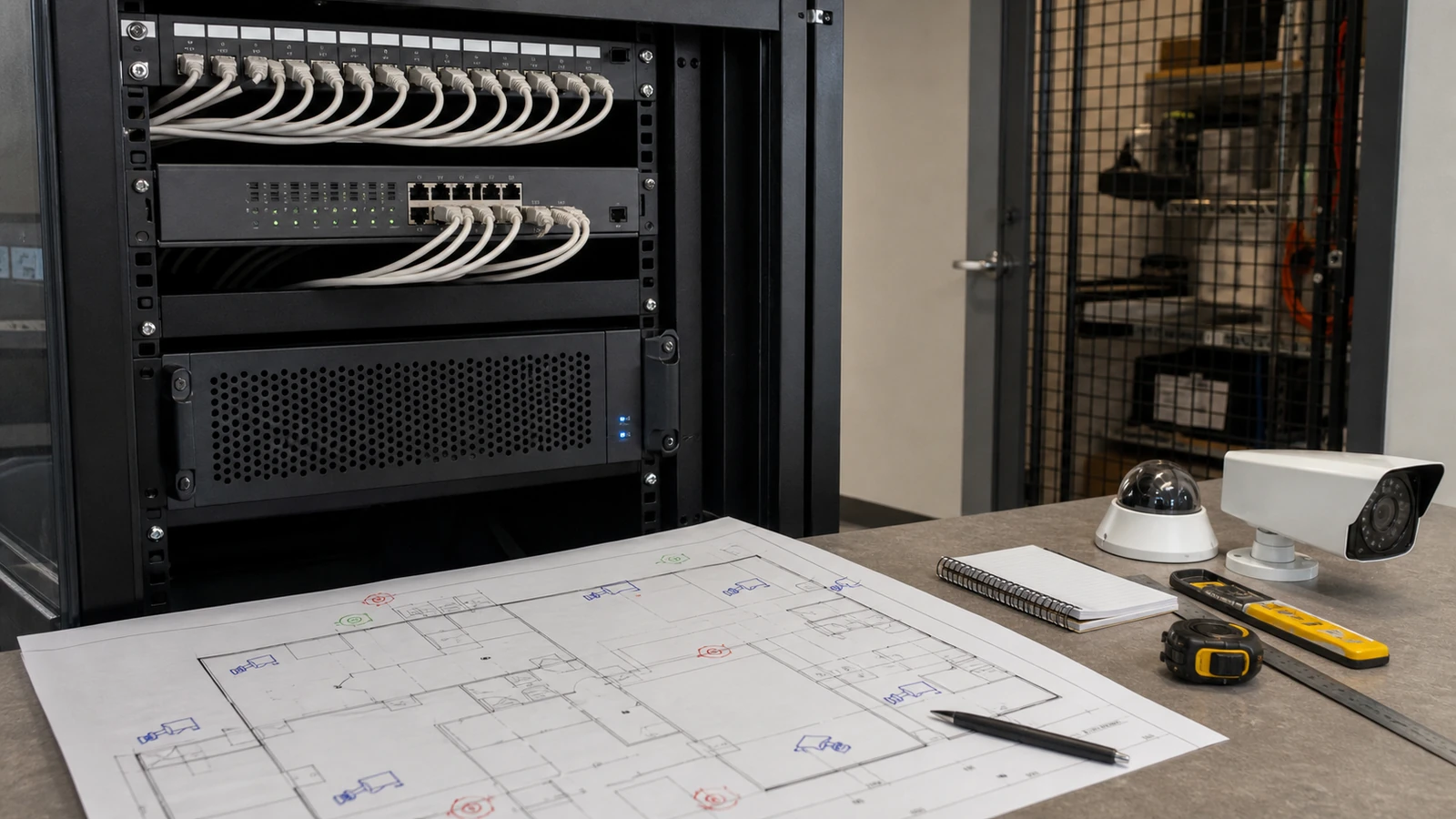
A CCTV camera system includes cameras, cabling, switching, recording, storage, viewing software, user permissions and documentation. All of those pieces need to be planned together.
What a CCTV Camera System Includes
Commercial CCTV Systems: Key Definition
CCTV Camera System in Tampa describes a planned commercial low-voltage scope with defined endpoints, pathways, equipment locations, support requirements and user expectations.
How CCTV Recording Works
How Commercial CCTV Systems Works
Cameras capture video, network or coax pathways carry it to recording equipment, the recorder or VMS stores it, and users review video through authorized software access.
Commercial CCTV Systems: Core Components
Camera, Recorder, and Viewing System Elements
Key components include camera type, lens, mount, cable pathway, switch or encoder, recorder, storage, monitor access, mobile access and user roles.
Planning Criteria for Commercial Sites
Commercial CCTV Systems: Planning Criteria
Planning should define locations, distances, pathway conditions, equipment rooms, user needs, service access, testing expectations and future capacity before field work begins.
Commercial Use Cases for Commercial CCTV Systems
Commercial CCTV Systems: Commercial Examples
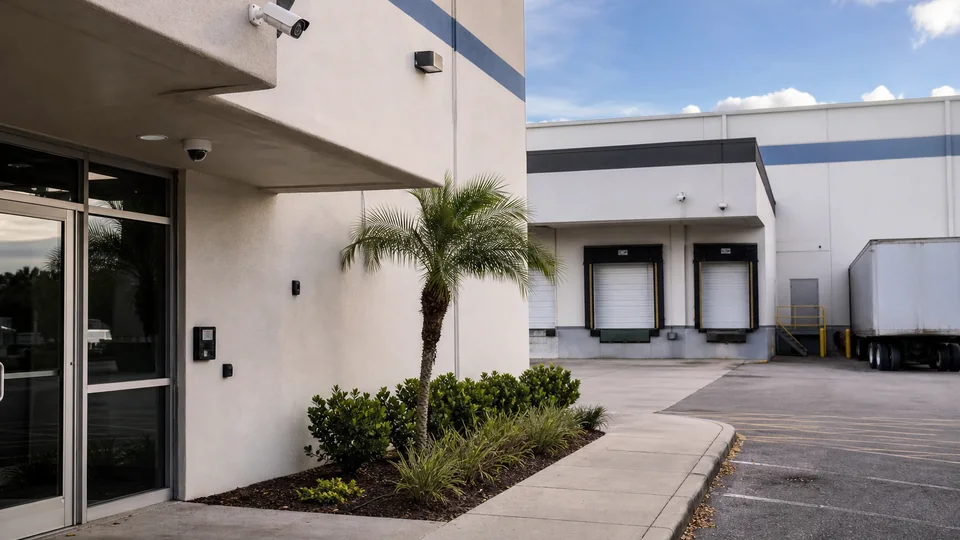
Practical Tampa examples include warehouse docks, office lobbies, retail receiving, hotel entrances, healthcare corridors and parking areas. Each example has different operating hours, access limits, pathway constraints and documentation needs.
Recorder architecture
A CCTV system should define where recording happens, how much video is retained, what happens during network interruptions and who can retrieve footage. Storage design is a system decision, not a line item to estimate after cameras are chosen.
VMS versus NVR fit
A smaller site may work well with an NVR, while a larger or multi-building property may need a VMS with stronger permissions, search tools or expansion capacity. The choice should follow the operating workflow and camera count.
Camera naming and maps
A CCTV system becomes more useful when camera names match a floor plan or site map. During an incident, users should not have to open every view to determine which camera faces the east gate or receiving corridor.
Playback performance
The system should be tested for recorded playback, clip export and remote review. A live image alone does not prove the CCTV system will support incident investigation.
Hybrid equipment review
Some Tampa properties still have a mix of analog, IP or older camera equipment. A commercial CCTV plan should identify which existing devices can remain, which should be replaced and which adapters or recorders introduce support risk.
Retention policy
Retention is shaped by camera count, resolution, frame rate, motion settings and storage capacity. A property that needs thirty days of usable footage should not approve storage based on rough assumptions.
Commercial CCTV Systems: Advantages and Limitations
Commercial CCTV Systems: Advantages
A planned system is easier to support, expand and troubleshoot because the design matches the property instead of forcing a generic package.
Commercial CCTV Systems: Limitations
Limitations appear when existing pathways, power, rack space, hardware compatibility, budget or operating schedules constrain the final scope.
Commercial CCTV Systems: Common Mistakes
Common Commercial CCTV Systems Mistakes
Treating CCTV as just cameras, undersizing storage, mixing unsupported equipment, skipping camera naming and failing to test playback are common mistakes.
Commercial CCTV Systems: Infrastructure Dependencies
Cabling, Power, Bandwidth, and Storage Requirements
CCTV depends on cabling, PoE or power, switches, bandwidth, storage, remote access, rack space and configuration records.
Commercial CCTV Systems: Decision Checklist
Commercial CCTV Systems: Planning Checklist
Decision checklist: List required views; Choose camera type by scene; Size storage by retention; Confirm network and power; Test playback and user access.
Commercial CCTV Systems: When to Request a Site Review
When Commercial CCTV Systems Needs Professional Review
A site review is appropriate when camera count, retention, remote viewing, existing equipment, exterior coverage or multiple buildings affect the system.