24/7 Color Night Vision: Direct Answer
When Full-Color Night Imaging Is Appropriate
A 24/7 color night vision camera is useful when a property has enough usable ambient or supplemental light for the camera to preserve color detail at night. It can improve review of clothing, vehicle color, direction of travel and exterior activity, but scenes with deep darkness, glare, long distance or uneven lighting may still need infrared, added lighting or a different camera position.
What 24/7 Color Night Vision Means
24/7 Color Night Vision: Key Definition
The term describes cameras designed to keep video in color during low-light periods instead of switching immediately to black-and-white infrared. The phrase should be evaluated by scene performance, not by the label on a box. A camera that works well near a lit entrance may not produce useful color across a dark truck yard.
How Color Night Imaging Works
Sensor and Light
Full-color night cameras usually combine larger sensors, wide apertures, image processing and sometimes warm supplemental light. The camera still needs photons. If the scene has no useful light, color accuracy and motion clarity can fall apart quickly.
Motion and Exposure
Night scenes often force longer exposure or stronger digital gain. That may brighten the image, but it can also create blur, noise or overexposed headlights. Testing the scene is more reliable than judging a still image.
24/7 Color Night Vision: Core Components
Camera Body
Sensor size, lens, low-light rating, weather rating and mounting hardware all affect results.
Lighting
Ambient fixtures, building lights, vehicle headlights and added camera light shape what color detail is possible.
Recording
NVR or VMS settings determine frame rate, compression, retention and playback usability.
Planning Criteria for Tampa Properties
Scene Review
Review entrances, docks, parking, gates, dumpster areas, hotel drop-offs, amenity areas and employee paths separately. Each area may need a different camera type or lighting strategy.
Environmental Fit
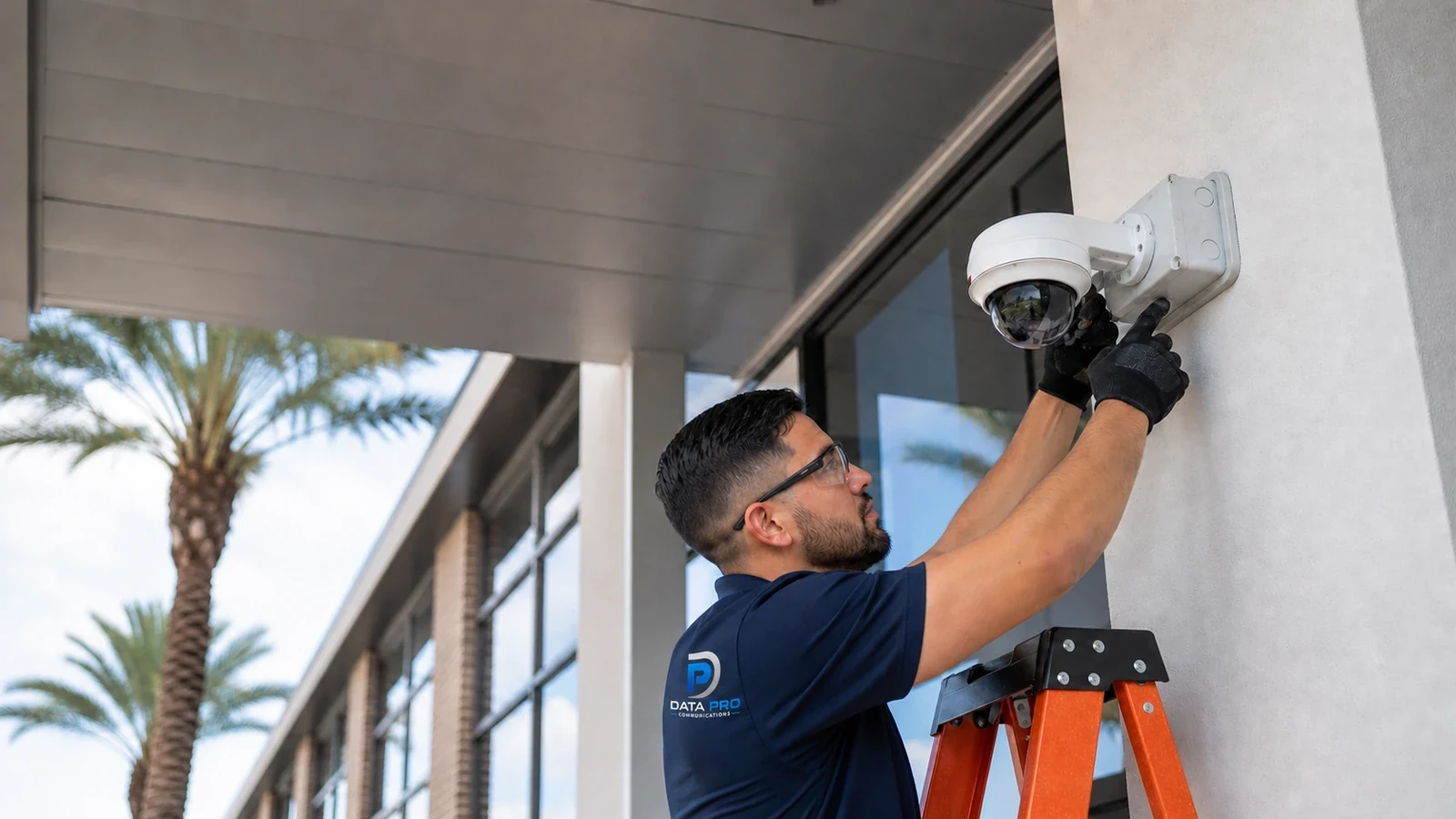
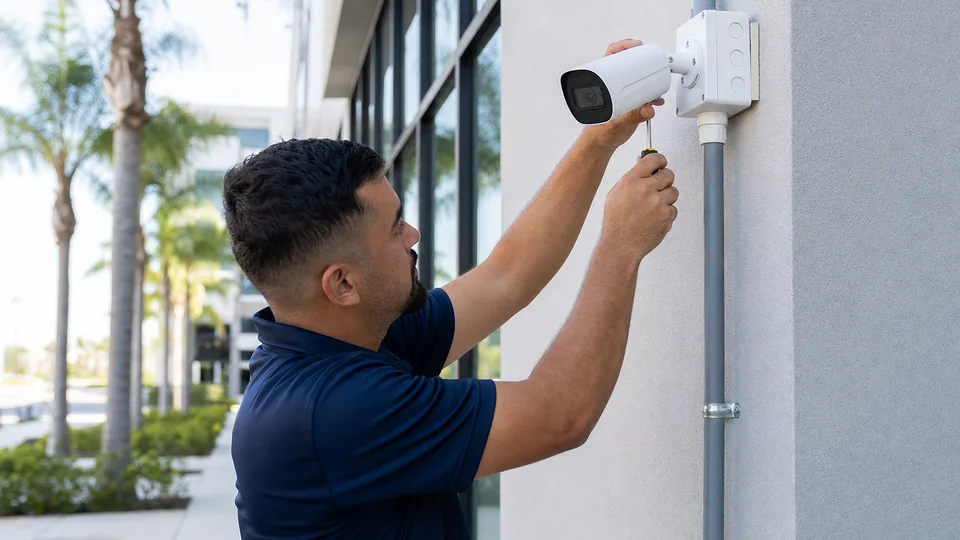
Exterior Tampa installations should account for rain, heat, corrosion exposure, insects, glare, storms, conduit routing and service access.
Commercial Use Cases for 24/7 Color Night Vision
Parking and Entrances
A downtown office garage may need color context at pedestrian entries while using different settings for vehicle lanes.
Logistics Yards
A port-adjacent facility may need color at staffed gates but infrared or added lighting at remote fence lines.
Managed Communities
An HOA or multifamily property may need entrances, package areas and amenity zones reviewed without turning residential traffic into the dominant page focus.
Parking-lot lighting analysis
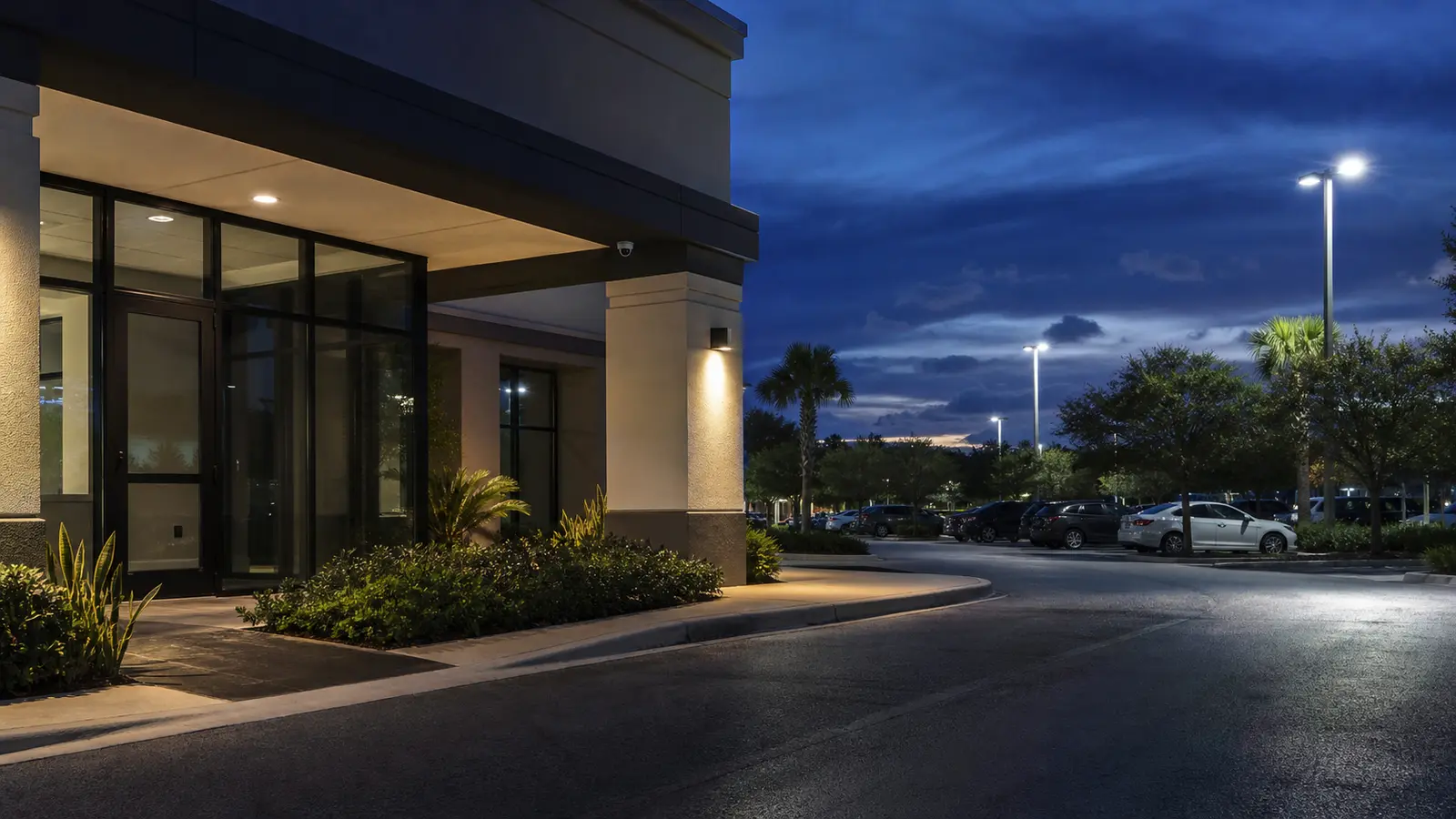
For color night video, the planning team should compare the camera view against actual fixture placement. A pole light behind the camera can improve color detail, while a fixture aimed into the lens can wash out faces, license plates and vehicle movement.
After-hours playback workflow
A manager reviewing overnight activity needs a recording that shows sequence and direction, not just a bright image. Playback speed, camera naming and time synchronization can matter as much as the camera model.
Exterior service zones
Dumpster enclosures, delivery doors and employee entries often have uneven light. These areas may require a blend of wide overview cameras and tighter views at the points where people or vehicles pass through a predictable path.
24/7 Color Night Vision: Advantages and Limitations
24/7 Color Night Vision: Advantages
Color can make review easier when color detail matters. It can also reduce the flat look of infrared video near well-lit doors or parking areas.
24/7 Color Night Vision: Limitations
The technology cannot solve poor placement, extreme darkness, glare, excessive distance, weak storage settings or inadequate network design.
24/7 Color Night Vision: Common Mistakes
Mistake 1: Assuming full-color night cameras eliminate the need for lighting review
Full-color performance still depends on available light, controlled glare, motion, and the camera’s low-light limits; some scenes may require infrared or added illumination.
Mistake 2: Mounting cameras too high for useful identification detail
Excessive mounting height widens the view but reduces usable detail on faces and other targets, so each mounting point must follow the required identification distance.
Mistake 3: Using one camera model for every exterior scene
Entrances, parking areas, docks, and corridors present different ranges, lighting, weather, and mounting conditions that may require different lenses or camera types.
24/7 Color Night Vision: Infrastructure Dependencies
Power, Cabling, Storage, and Documentation Requirements
A reliable design depends on PoE power, weather-rated cable paths, surge protection, switch capacity, recorder storage, user permissions and service documentation.
24/7 Color Night Vision: Decision Checklist
24/7 Color Night Vision: Planning Checklist
Confirm target areas, nighttime light level, desired detail, mounting height, camera distance, storage target, remote-viewing users, cable route and whether added lighting is acceptable.
24/7 Color Night Vision: When to Request a Site Review
When 24/7 Color Night Vision Needs Professional Review
A professional site review is appropriate when exterior coverage, lighting, long cable runs, multiple buildings, gates, docks, remote viewing or future expansion are part of the project.