Entrance and Lobby Cameras
Cameras at public entries, reception points, elevators, access doors, and shared corridors help authorized users review visitor movement and after-hours activity without overbuilding the system.

TAMPA LOCAL CAMERA INSTALLATION
Data Pro Communications installs commercial security camera systems for Tampa properties that need useful video, serviceable cabling, practical recorder design, remote viewing, and coordinated low-voltage infrastructure. This Tampa page is built for city-specific projects in Downtown Tampa, Water Street, Channelside, Ybor City, Westshore, South Tampa, Hyde Park, Seminole Heights, Carrollwood, New Tampa, port-adjacent logistics areas, and managed commercial properties across the city.
Camera planning should match the way the site operates: visitor entries, employee doors, parking, loading areas, gates, patios, lobbies, service corridors, equipment rooms, shared amenities, and after-hours movement. Selected larger residential projects may be submitted when they require professional camera design, structured cabling, remote access, gate or entry coordination, or connected low-voltage planning.
TAMPA MARKET OVERVIEW
Tampa camera projects are shaped by a city with dense downtown activity, port and logistics operations, office and corporate campuses, visitor-facing districts, healthcare and professional services, industrial facilities, restaurants, retail, multifamily communities, and neighborhood commercial corridors. A useful camera system should reflect the site’s hours, public access points, parking pattern, deliveries, lighting, tenant mix, and expected review workflow.
Downtown Tampa, Water Street, Channelside, and Ybor City often combine pedestrian traffic, dining, entertainment, offices, multifamily buildings, hospitality properties, service alleys, parking, and deliveries in compact areas. Westshore and corporate properties may prioritize employee entries, visitor parking, lobbies, elevators, service doors, and after-hours activity. Port-adjacent and industrial areas need stronger attention to exterior cameras, gate views, truck courts, loading docks, yard visibility, and protected cable routes.
South Tampa, Hyde Park, Seminole Heights, Carrollwood, and New Tampa can include professional offices, schools, churches, restaurants, condominiums, HOAs, multifamily communities, medical offices, and selected larger residential projects where professional low-voltage planning matters. The right camera design connects coverage goals with cabling, network readiness, recording retention, viewing permissions, and long-term maintenance.
SECURITY CAMERA SERVICE OVERVIEW
Security camera installation in Tampa begins with the operating problem, not a generic camera count. Data Pro Communications reviews entrances, gates, parking, lobbies, patios, service corridors, loading areas, shared amenities, restricted spaces, network closets, recorder placement, lighting, mounting surfaces, cable paths, and user access before finalizing a camera layout.
Systems may include commercial IP cameras, CCTV upgrades, NVR or VMS recording, PoE camera networks, remote viewing, mobile access, user permissions, replacement cameras, additional coverage zones, and infrastructure improvements that support reliable camera performance. Camera work can also be coordinated with structured cabling, access control, intercoms, gate entry, network switches, racks, and documentation when the project requires connected systems.
Security camera installation in Tampa should connect the camera layout with the property’s daily movement, infrastructure, and long-term service needs. A well-planned system helps authorized users review entrances, parking, deliveries, shared spaces, restricted areas, and exterior activity while keeping cabling, recorder access, user permissions, and future expansion practical.
CAMERA SERVICES
Cameras at public entries, reception points, elevators, access doors, and shared corridors help authorized users review visitor movement and after-hours activity without overbuilding the system.
Parking areas, drive aisles, gates, perimeter edges, and building approaches need careful placement for useful views, light changes, rain exposure, mounting height, and cable protection.
Warehouses, restaurants, retail properties, hotels, and port-adjacent sites often need coverage for receiving doors, truck courts, delivery paths, service corridors, and equipment areas.
Remote access should be planned with user roles, password practices, mobile viewing needs, network conditions, recorder settings, and the way managers actually review incidents.
Storage depends on camera count, resolution, frame rate, compression, recording schedule, retention goals, analytics needs, and whether the site needs high-detail views.
Labeling, documentation, rack organization, cable pathway planning, and accessible equipment locations make future service, troubleshooting, added cameras, and upgrades easier.
LOCAL PROPERTY PLANNING
Tampa offices and corporate properties may need cameras around reception, employee entries, parking, conference areas, mailrooms, equipment rooms, and shared corridors. Healthcare and professional facilities often place higher importance on visitor flow, restricted areas, staff entries, records-adjacent spaces, and parking review. Retail and restaurant environments usually need practical views of entrances, customer routes, POS-adjacent areas, patios, storage rooms, delivery points, and exterior approaches.
Warehouse, distribution, and industrial sites require a different camera conversation. These properties may need longer exterior views, coverage for truck movement, dock doors, roll-up doors, fenced yards, inventory aisles, equipment areas, employee parking, and gate activity. Camera planning should also consider cable protection, power/network placement, mounting height, service access, weather exposure, and whether access-control events need video review.
HOAs, condominium associations, multifamily communities, and managed residential-style properties often need cameras for gates, leasing offices, package rooms, pools, clubhouses, parking, mail areas, amenity spaces, and common corridors. Selected larger residential projects may be reviewed when they resemble a professional low-voltage scope rather than a simple consumer camera setup.

PROPERTY APPLICATIONS
Dense office, residential, restaurant, hotel, parking, and pedestrian environments.
Plan cameras for entries, lobbies, parking access, service routes, shared corridors, patios, and event-related movement.
Visitor-facing districts with storefronts, restaurants, patios, alleys, parking, and evening activity.
Balance exterior views, low-light performance, mounting constraints, historic or renovated structures, and clean cable routing.
Corporate, hotel, retail, and airport-adjacent business activity.
Cover reception, employee entrances, visitor parking, delivery doors, equipment areas, and after-hours access.
Cargo, warehouse, distribution, industrial, truck, rail, and yard activity.
Plan truck courts, dock doors, gates, perimeter views, equipment yards, weather exposure, long cable paths, and recording retention.
Medical, life-science, financial, professional, and service-office environments.
Focus on visitor flow, restricted spaces, staff access, parking, records-adjacent areas, user permissions, and privacy-aware placement.
Shared amenities, gates, package areas, parking, leasing offices, and common spaces.
Coordinate cameras with access control, network closets, gate entry, remote viewing, documentation, and maintenance access.
TAMPA NEIGHBORHOODS AND SERVICE COVERAGE
Data Pro Communications supports security camera installation requests for Tampa properties in Downtown Tampa, Water Street, Channelside, Ybor City, Westshore, South Tampa, Hyde Park, Seminole Heights, Carrollwood, New Tampa, Port Tampa Bay and nearby logistics corridors, and other Tampa commercial and managed-property locations.
Each area brings different camera and infrastructure needs. Restaurants and hospitality properties may need patio, storefront, service-door, and parking views. Downtown offices may need lobby, elevator, garage, and after-hours entry coverage. Warehouses and logistics properties may need dock, gate, truck, yard, and perimeter cameras. Condominium, HOA, multifamily, and managed communities may need gates, package rooms, amenities, parking, and management access.
RELATED SERVICES
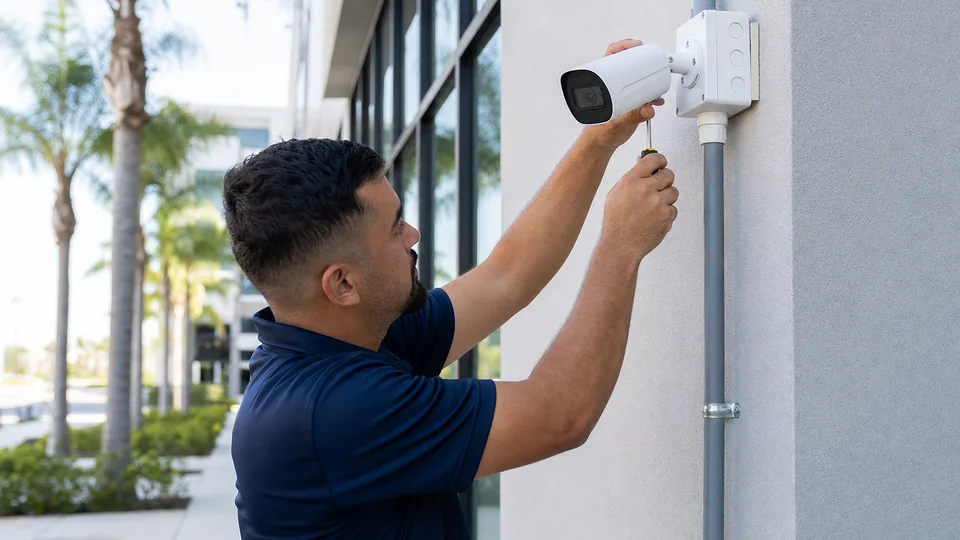
Choose this service for broad Tampa Bay commercial camera installation service details.
Review Camera Services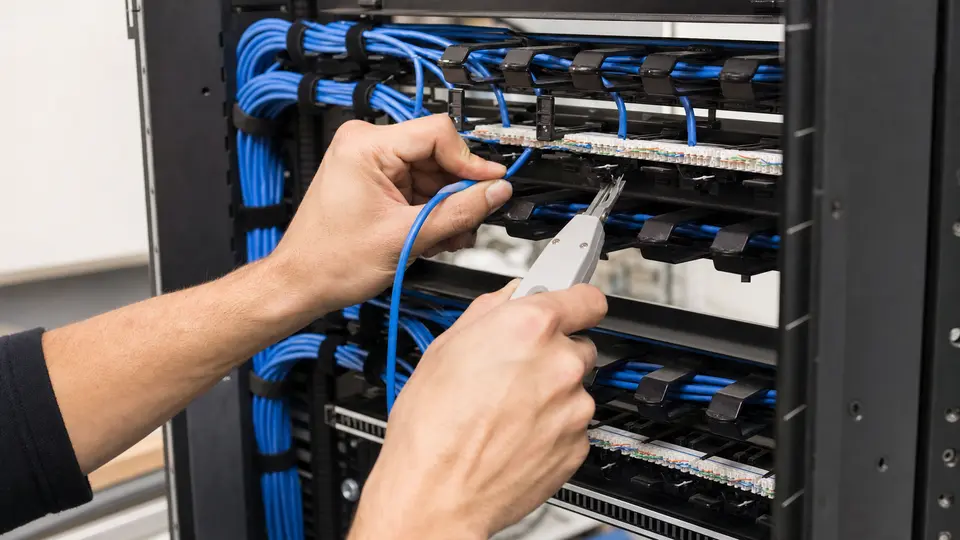
Use when the camera project needs Cat6, Cat6A, fiber pathways, patching, labeling, racks, or network-room organization.
Review Cabling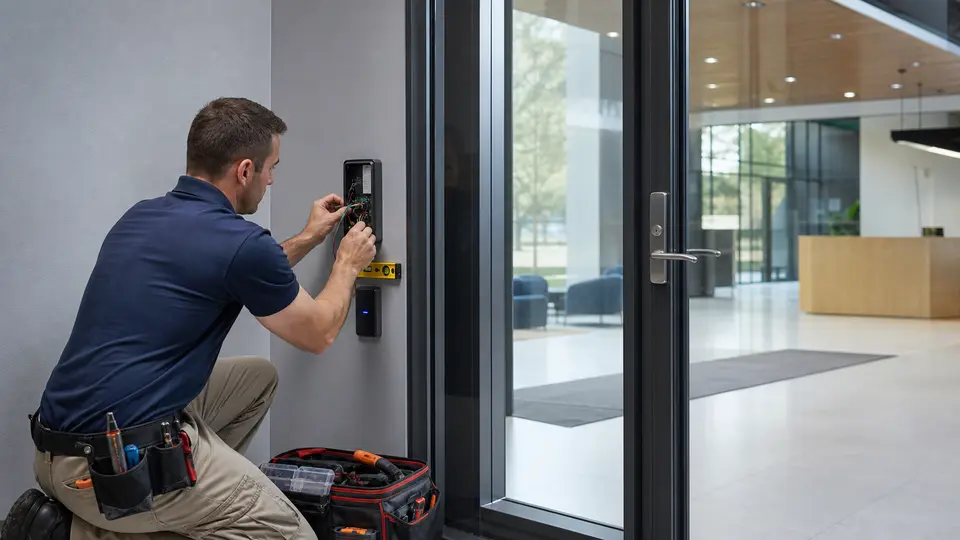
Use when cameras should coordinate with doors, readers, keypads, intercoms, gates, or entry-event review.
Review Access Control
Use when the project combines cameras with cabling, access, network, audio video, documentation, and future expansion.
View Security Solutions
Choose this service for warehouse, logistics, port-adjacent, manufacturing, equipment-yard, and industrial camera needs.
View Industrial Security
Use when a Tampa property also needs displays, conference rooms, sound, or related low-voltage AV work.
View Audio VideoNEARBY MARKETS
Explore commercial security camera planning for Clearwater properties.
Review ClearwaterExplore commercial security camera planning for St. Petersburg properties.
Review St. PetersburgBrowse security camera service areas across Tampa Bay.
Review Tampa Bay Service AreasChoose this service for consultation requests across Tampa and nearby markets.
Schedule a Site AssessmentPROCESS
The request starts with the property type, Tampa location, operating hours, existing system, coverage goals, network conditions, access points, parking, deliveries, and any urgent service concern.
Camera views, mounting locations, recorder needs, remote viewing, user permissions, cabling, PoE switching, access-control coordination, and service access are planned together when needed.
Installation may include cameras, cabling, terminations, NVR or VMS setup, network coordination, labels, user access, and documentation appropriate to the project scope.
Existing systems can be reviewed for troubleshooting, replacement cameras, recorder upgrades, added coverage, network improvements, documentation cleanup, and future expansion planning.
FAQ
Data Pro Communications supports Tampa security camera installation for offices, warehouses, retail spaces, restaurants, healthcare and professional facilities, hospitality properties, industrial sites, HOAs, condominium communities, multifamily properties, construction and renovation projects, and managed commercial properties. Selected larger residential projects may also be submitted when they require professional low-voltage planning.
Tampa camera planning may need to account for downtown mixed-use buildings, Water Street and Channelside activity, Ybor City storefronts and historic structures, Westshore offices, South Tampa professional properties, Port Tampa Bay and logistics corridors, parking areas, visitor flow, exterior exposure, cabling paths, network rooms, and access-control coordination.
Many Tampa camera projects need structured cabling because IP cameras depend on reliable pathways, PoE switching, patching, labeling, and network-room organization. Cabling planning is especially important for warehouses, multi-floor offices, restaurants, older buildings, mixed-use properties, gated communities, parking areas, and properties where future expansion is likely.
Yes. Downtown Tampa and Water Street projects often require coverage for lobbies, parking access, service corridors, restaurants, loading areas, shared entrances, exterior pedestrian areas, and authorized-user remote viewing. Planning should account for dense buildings, mixed tenant use, event traffic, lighting shifts, and clean cable routes.
Ybor City and Channelside properties may need camera coverage for visitor movement, storefronts, patios, alleys, service doors, parking, deliveries, mixed-use access, and evening activity. Historic or renovated buildings may require careful pathway planning so cameras, conduit, cabling, and mounting locations are practical without creating unnecessary visual disruption.
Westshore offices and corporate properties often need cameras for lobbies, reception areas, parking, employee entrances, delivery points, equipment rooms, shared corridors, and after-hours access. Camera placement should support incident review while respecting workplace needs, building rules, tenant boundaries, and network constraints.
Yes. Warehouse, distribution, and port-adjacent camera projects often need coverage for truck courts, docks, roll-up doors, gate areas, perimeter views, inventory aisles, equipment yards, fuel or service areas, and employee parking. These sites often need weather-aware exterior mounting, protected cabling, long cable-path planning, and recorder storage sized for larger camera counts.
Yes. Camera installation can be coordinated with access control, intercoms, gates, card readers, keypads, door hardware, and network infrastructure. Coordinated planning can help managers review entry events, monitor visitor movement, control restricted spaces, and keep camera, cabling, and access equipment easier to service.
Restaurants, retail stores, hotels, and visitor-facing properties may need cameras at entrances, POS-adjacent areas, host stands, patio areas, service corridors, storage rooms, loading points, parking, and exterior walkways. Depending on the platform and site conditions, remote viewing, user permissions, motion alerts, low-light views, and retention planning may also be useful.
Yes, selected larger residential projects may be submitted when they require professional planning, multiple cameras, structured cabling, remote viewing, gate or entry coordination, network planning, equipment rooms, or integration with other low-voltage systems. Commercial and managed-property camera installation remains the primary focus.
Exterior camera planning in Tampa should account for rain, humidity, heat, sun glare, wind exposure, lighting changes, corrosion risk in exposed areas, lightning considerations, mounting surface condition, and protected cable paths. Good placement balances useful views with durable installation, service access, and realistic nighttime performance.
Often, yes. Existing cameras, recorders, cabling, switches, remote viewing, storage, and image quality can be reviewed to determine whether targeted upgrades, added cameras, recorder replacement, network improvements, or documentation cleanup make sense. The right path depends on platform condition, cabling quality, device compatibility, and project goals.
A site survey reviews the property layout, coverage goals, current system if one exists, entrances, parking, loading areas, common spaces, network closets, cable routes, lighting, mounting conditions, recording needs, user permissions, and future expansion plans. The goal is to define a practical camera path before equipment decisions are finalized.
No. For urgent system issues, submit the form and call (813) 803-5048. Urgent requests are reviewed based on current availability, site conditions, access requirements, and service scope; same-day or emergency response is not guaranteed.
Use the Request a Site Survey button or call (813) 803-5048. Share the Tampa property location, property type, camera goals, existing system details, areas that need coverage, network or access-control needs, desired timeline, and any drawings or photos that may help Data Pro Communications understand the project.
For a Tampa camera project, submit the site-survey form with the property location, service need, timeline, existing system details, and coverage goals. Data Pro Communications can review commercial camera installation, structured cabling, access control coordination, service, upgrades, and selected larger residential scopes that require professional planning.
Call (813) 803-5048