Single-Mode and Multimode Planning
Select fiber type, strand count, connector format, pathway, and equipment compatibility based on the approved design.

Backbone, inter-building, and long-distance fiber connectivity
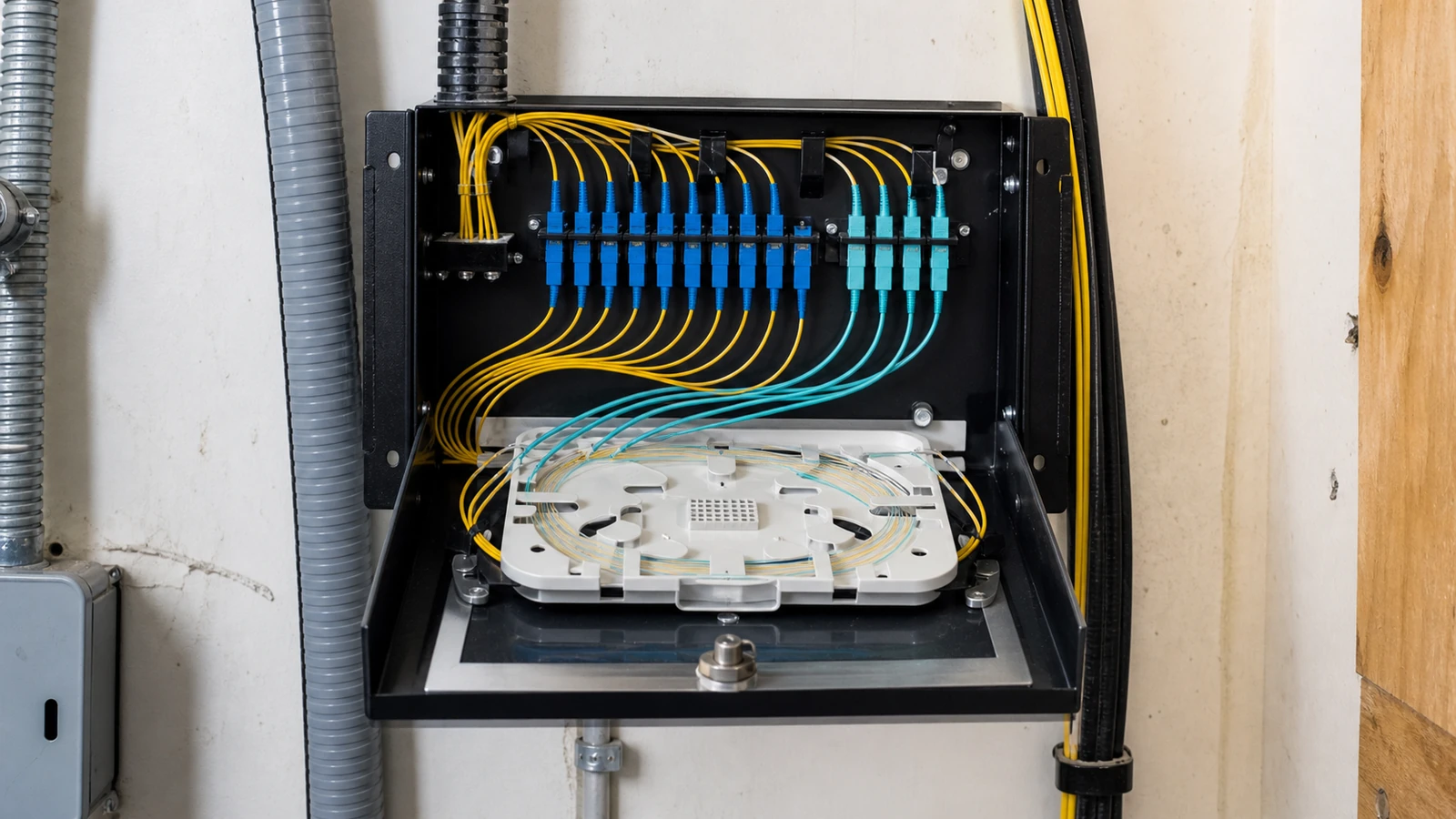
Data Pro Communications installs and services commercial fiber optic infrastructure for Tampa Bay businesses, managed properties, warehouses, industrial sites, hospitality environments, healthcare facilities, and multi-building campuses. Projects can include single-mode or multimode fiber, MDF-to-IDF links, floor-to-floor backbones, building-to-building connections, enclosures, splice trays, patch panels, terminations, fusion splicing, testing, labeling, and documentation.
Fiber is selected and planned around distance, pathway conditions, connected equipment, strand count, future capacity, connector type, serviceability, and testing requirements. Data Pro Communications does not make unsupported bandwidth or distance guarantees; the final result depends on the complete link, equipment, components, installation, and verification method.
A useful commercial infrastructure project begins with endpoints, pathways, telecom rooms, equipment, ownership boundaries, testing expectations, documentation, and future capacity. A site survey turns those conditions into a buildable scope.
SERVICE OVERVIEW
Fiber Optic Services covers backbone, long-distance, high-capacity, and inter-building connectivity. It is the service page for organizations planning a new link, replacing damaged fiber, extending an MDF or IDF, connecting buildings, or documenting and testing an existing fiber path.
Structured Cabling remains the broader system category. Cat6 and Cat6A Cabling focuses on horizontal copper drops. Network Infrastructure focuses on racks, switches, patching, and uplinks.
CAMERA SERVICES
Select fiber type, strand count, connector format, pathway, and equipment compatibility based on the approved design.
Connect MDFs, IDFs, floors, buildings, gates, warehouses, and campus areas with planned fiber pathways.
Use appropriate splice trays, enclosures, protection, slack management, and serviceable fiber organization.
Coordinate LC or SC terminations where relevant, fiber patch panels, adapters, patch cords, and equipment handoff.
Verify continuity and optical loss using the testing method defined for the scope, with clear identification of link endpoints.
Document strand use, endpoints, enclosure locations, patch-panel positions, test results, and future-capacity notes.
LOCAL PROPERTY PLANNING
Tampa Bay fiber projects often support large warehouses, industrial properties, port and airport corridors, office towers, hotels, healthcare campuses, multifamily communities, and managed properties with distributed telecom rooms. These environments may require floor-to-floor backbones, building-to-building pathways, outdoor-rated protection, long conduit routes, and coordination around operating schedules.
Coastal weather, groundwater, construction activity, shared pathways, and service access can affect enclosure placement and pathway protection. The design should consider bend radius, pulling tension, slack storage, splice accessibility, pathway capacity, and future strand use without presenting generic distance or bandwidth claims as guarantees.
A site survey should confirm endpoints, pathway type, distance, available conduit or tray, fiber type, strand count, connector requirements, active equipment, testing expectations, enclosure locations, and whether the work involves new installation, repair, extension, or replacement.

PROPERTY APPLICATIONS
Connect main and intermediate distribution rooms across floors or property zones.
Create protected links between offices, warehouses, gates, amenity buildings, and campus facilities.
Support long pathways, distributed equipment rooms, cameras, Wi-Fi, access control, and operational networks.
Coordinate serviceable fiber links around occupied facilities, restricted areas, and critical operating schedules.
Locate the affected segment, define the repair method, splice or replace as approved, and verify the completed link.
Select strand count, enclosure capacity, pathway space, and documentation practices for planned growth.
RELATED SERVICES
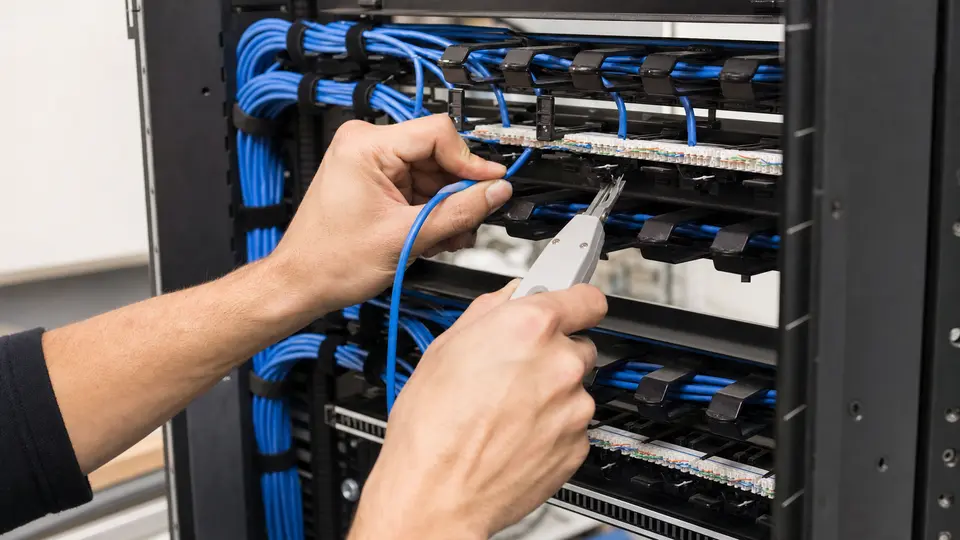
Use Structured Cabling when the project needs coordinated support as part of a coordinated property project.
Review Cabling
Use Cat6 and Cat6A Cabling when the project needs coordinated support as part of a coordinated property project.
View Cat6 Cabling
Use Network Infrastructure when the project needs coordinated support as part of a coordinated property project.
Review Network
Use IP Video Surveillance when the project needs coordinated support as part of a coordinated property project.
View IP Video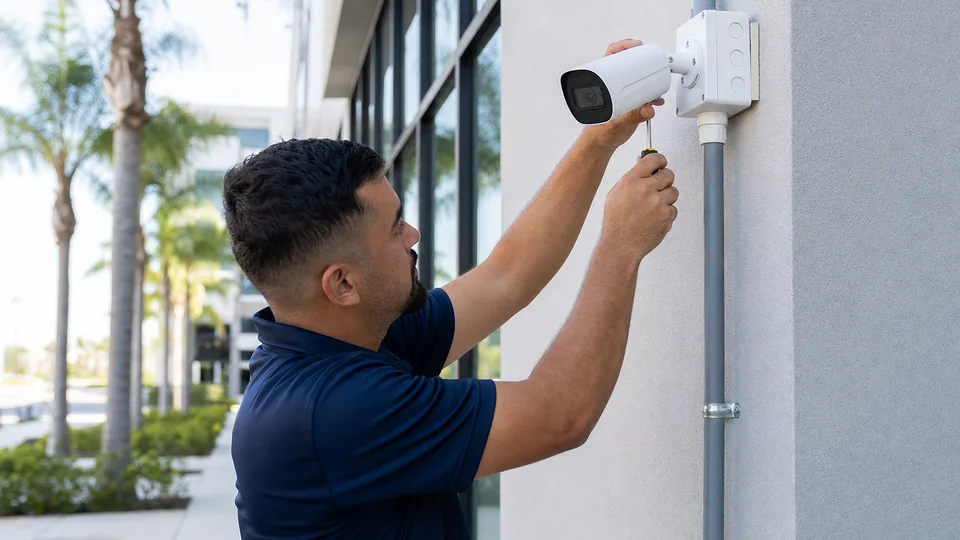
Use Security Camera Installation when the project needs coordinated support as part of a coordinated property project.
Review Camera Services
Explore the Solutions Hub to compare camera, cabling, network, access, entry, AV, and ongoing support services.
View All Solutions
Use Fiber Optic Installation System in Tampa as an educational reference for readers who need background on fiber installation concepts before requesting commercial fiber optic services.
View Fiber InstallationRELATED INDUSTRIES
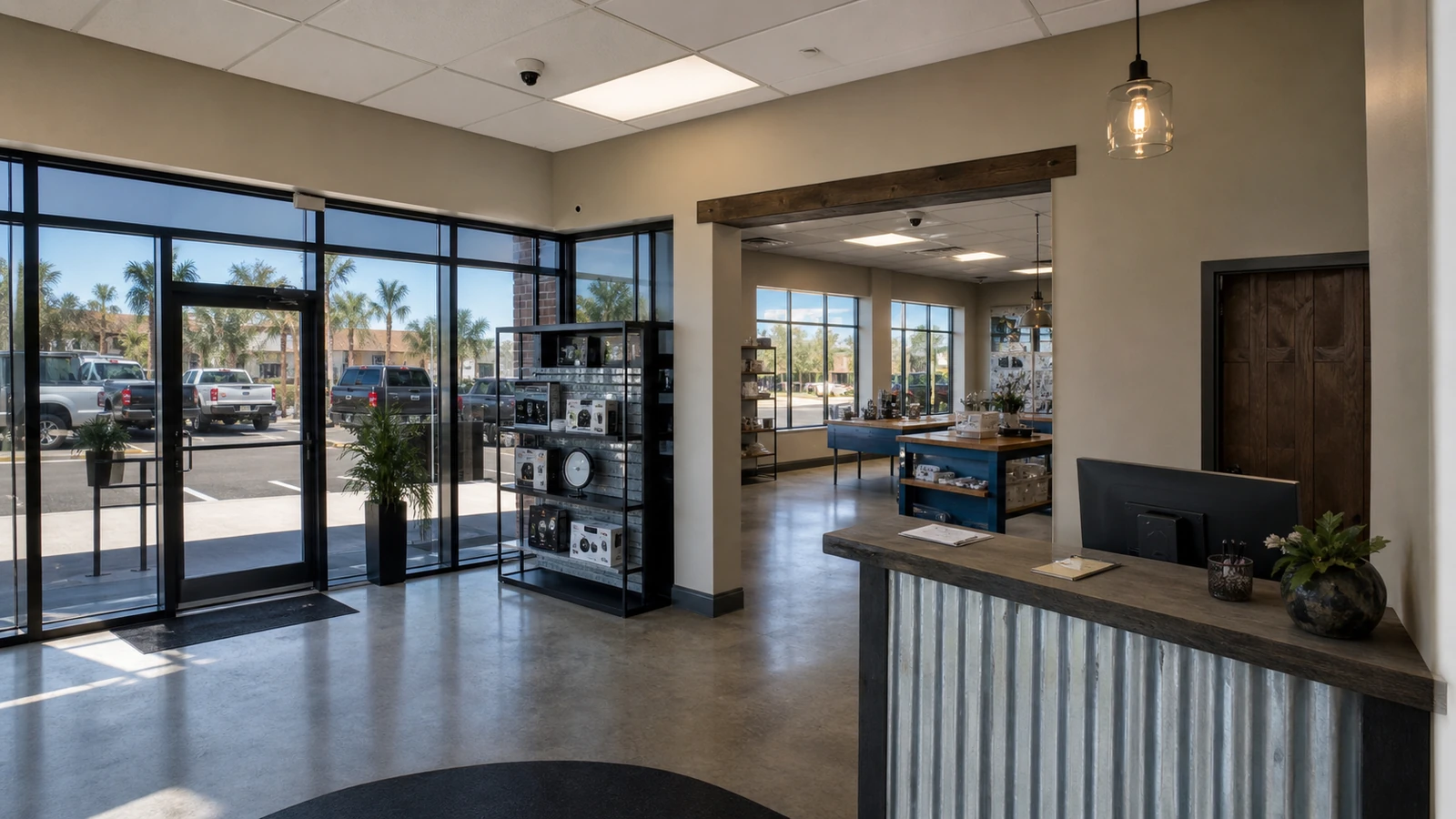
Relevant for retail and office properties planning commercial infrastructure in Tampa Bay.
View Retail & Office
Relevant for warehouse properties planning commercial infrastructure in Tampa Bay.
View Warehouse & Logistics
Relevant for HOA and condominium properties planning commercial infrastructure in Tampa Bay.
View HOA & Condominium
Relevant for industrial properties planning commercial infrastructure in Tampa Bay.
View Industrial Facilities
Relevant for property management properties planning commercial infrastructure in Tampa Bay.
View Property ManagementPROCESS
Confirm endpoints, pathways, telecom rooms, equipment, access, operating constraints, documentation needs, and ownership boundaries.
Define routes, components, rack or enclosure requirements, testing, labels, handoff records, and expansion allowances.
Install approved components, coordinate equipment connections, label endpoints, and maintain clean serviceable organization.
Complete the defined verification, document results and exceptions, and provide practical next-step or expansion notes.
FAQ
Fiber is commonly used for longer links, building-to-building connections, backbones, electrically isolated pathways, and higher-capacity uplinks. The choice depends on distance, equipment, environment, pathway, and project requirements.
Single-mode and multimode fiber use different optical characteristics and equipment. Selection depends on distance, transceivers, existing infrastructure, future plans, and compatibility with the connected systems.
Yes. Fiber backbones commonly connect a main distribution room to IDFs on other floors, property zones, or buildings. Strand count, topology, pathways, enclosures, and equipment must be planned together.
Fusion splicing may be used where appropriate for the approved fiber type, enclosure, repair, or backbone design. The scope should specify splice points, trays, protection, testing, and documentation.
Testing may include continuity, optical power or loss verification, and other methods defined by the project. The method should match the purpose of the link and the documentation expected by the owner.
Sometimes. The repair approach depends on the damage location, access, available slack, enclosure options, fiber type, pathway condition, and whether replacement provides a more reliable outcome.
LC and SC connectors are common, but the correct connector depends on equipment, patch panels, adapters, existing standards, and the approved design.
Fiber Optic Services focuses on fiber backbones, long-distance links, inter-building connectivity, splicing, termination, testing, and documentation. Structured Cabling is the broader organized cabling system.
Yes. Fiber can provide backbone connectivity for distributed camera, Wi-Fi, access control, intercom, and network infrastructure when active equipment and topology are properly planned.
Identify endpoints, distance, pathways, conduit availability, fiber type, strand count, active equipment, connector needs, testing expectations, access restrictions, and whether the work is new installation, repair, extension, or replacement.
Request a site survey to review the existing conditions, project goals, infrastructure boundaries, and the information needed for a clear commercial scope.