Production-floor camera placement
Plan camera locations around lines, work cells, machinery, operator routes, and material movement without treating the facility like a generic warehouse.

Industrial, manufacturing, production-floor, and yard camera planning
Data Pro Communications plans industrial security camera installation for Tampa Bay manufacturing facilities, production floors, processing areas, machinery zones, fabrication spaces, industrial yards, elevated views, utility areas, and multi-building industrial properties. This page is for facilities that need camera coverage planned around operations, infrastructure, serviceability, safety coordination, and practical long-term use.
Industrial camera installation is different from warehouse coverage and different from broader industrial security solutions. This page focuses on camera-specific planning for manufacturing and industrial environments where equipment location, cable pathways, PoE, fiber, IDFs, dust, heat, lift access, work zones, and documentation all affect the final system.
INDUSTRY OVERVIEW
Industrial and manufacturing camera-installation focus, including production floors, machinery areas, processing zones, fabrication facilities, industrial yards, elevated views, complex pathways, PoE, fiber, IDFs, multi-building infrastructure, operational documentation, and serviceability.
Production floors; machinery areas; processing zones; fabrication facilities; industrial yards; elevated views; complex pathways; PoE; fiber; IDFs; multi-building infrastructure; operational documentation; serviceability.
Project proof: in the Palmetto warehouse and office case study, Data Pro Communications installed 12 cameras, 42 Cat6 drops, and card access on three doors as one coordinated scope.

CAMERA SERVICES
Plan camera locations around lines, work cells, machinery, operator routes, and material movement without treating the facility like a generic warehouse.
Review exterior yards, gates, equipment storage, vehicle approaches, loading areas, perimeter views, and lighting conditions.
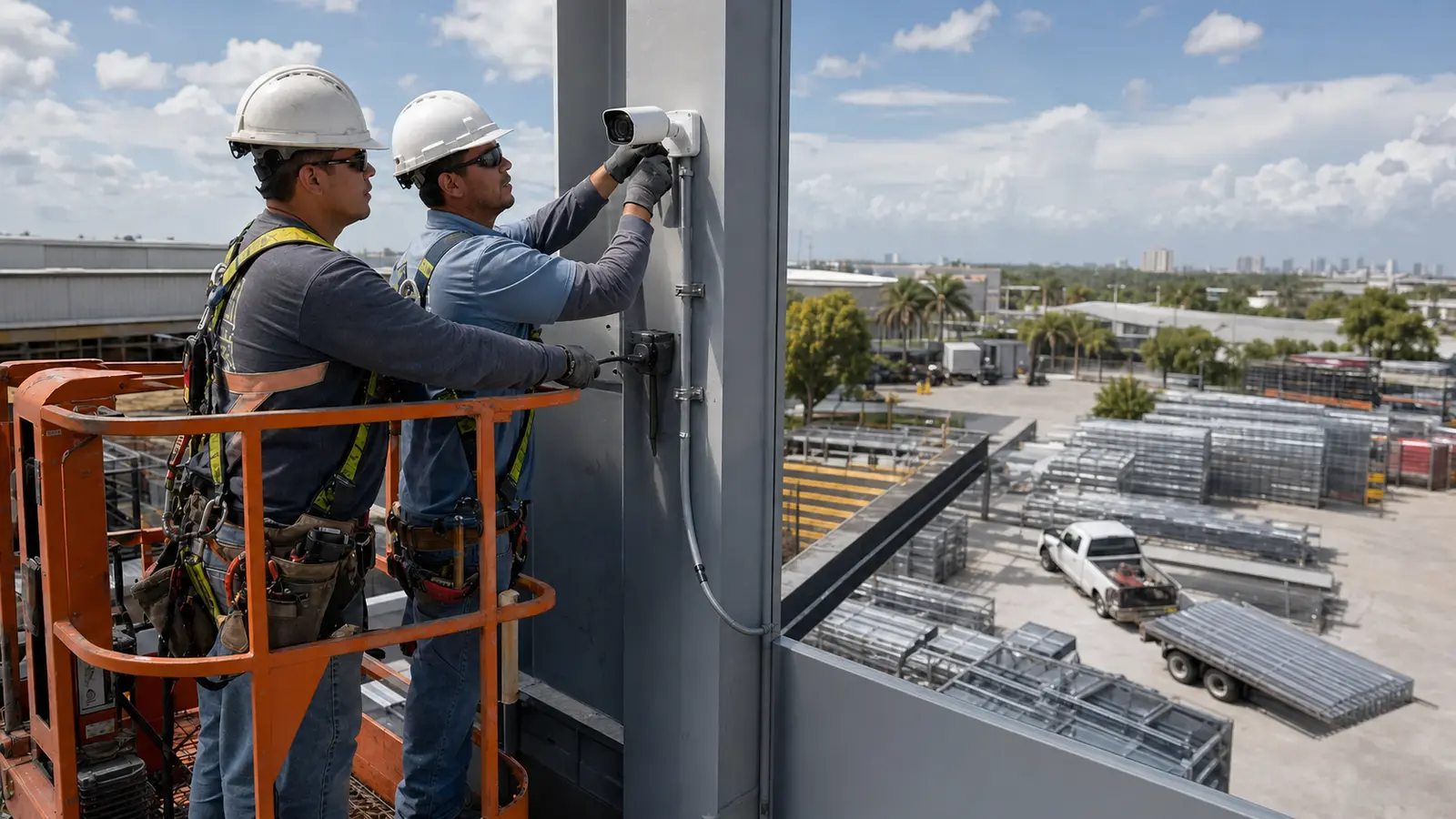
Coordinate lift access, high-bay mounting, long cable pathways, viewing angles, and service access before installation.
Account for switch capacity, IDF location, fiber backbones, inter-building links, equipment rooms, and network dependencies.
Document camera names, priority views, known constraints, lift requirements, network needs, and handoff notes for facility teams.
Plan camera access and maintenance notes so production teams can support future troubleshooting without unnecessary disruption.
PROPERTY APPLICATIONS
Cover production lines, fabrication zones, processing areas, and work cells where operational review is needed.
Plan views around fixed equipment, machine approaches, safety-critical zones, and service clearance needs.
Review exterior yards, staged material, vehicle movement, gates, perimeter approaches, and after-hours visibility.
Coordinate camera coverage across separate buildings, IDFs, fiber routes, and shared exterior infrastructure.
Use elevated views where ceiling height, access equipment, and serviceability support practical coverage.
Create camera naming, access, infrastructure, and service notes that help operations, security, and IT work from the same plan.
LOCAL PROPERTY PLANNING
Tampa Bay industrial and manufacturing properties often combine interior production needs with exterior yard, gate, dock, and equipment-area visibility. Camera planning must account for facility access, shift schedules, lift equipment, cabling routes, equipment-room access, network dependencies, and the difference between operational review and broader security-system integration. Data Pro Communications can help industrial stakeholders define camera coverage that supports practical visibility without treating production environments like ordinary office or warehouse spaces.
Industrial camera projects may require coordination with plant access rules, production schedules, safety requirements, lift equipment, existing low-voltage pathways, exterior yard views, network-room access, IDF locations, fiber availability, and stakeholder schedules. The goal is a practical plan that helps operations, security, facilities, and IT teams understand where cameras belong, what infrastructure supports them, how installation access will work, and what documentation is needed for future service without overstating local coverage or project history.
Tampa Bay industrial corridors may include manufacturing and production facilities with multiple buildings, exterior yards, elevated mounting points, long cable pathways, network rooms, IDFs, fiber links, and active operations that cannot simply stop for camera work. Camera planning should account for where production activity occurs, how crews can access high or exterior locations, how pathways move between buildings or yard areas, and how installation or service windows can be coordinated around safety rules, shift schedules, equipment access, and facility operations without claiming completed project history.
RELATED SERVICES
Choose this service for the full industrial camera layout and installation scope, including production-floor views, yard coverage, elevated locations, recorder planning, and buildable camera placement.
Review Camera Services
Use when the industrial site needs commercial-grade CCTV deployment with centralized coverage for plant areas, yards, machinery approaches, equipment zones, and security review workflows.
View CCTV Installation
Use when industrial cameras depend on IP camera selection, PoE switching, bandwidth planning, network segmentation, IDF coordination, and reliable connectivity across the facility.
View IP Video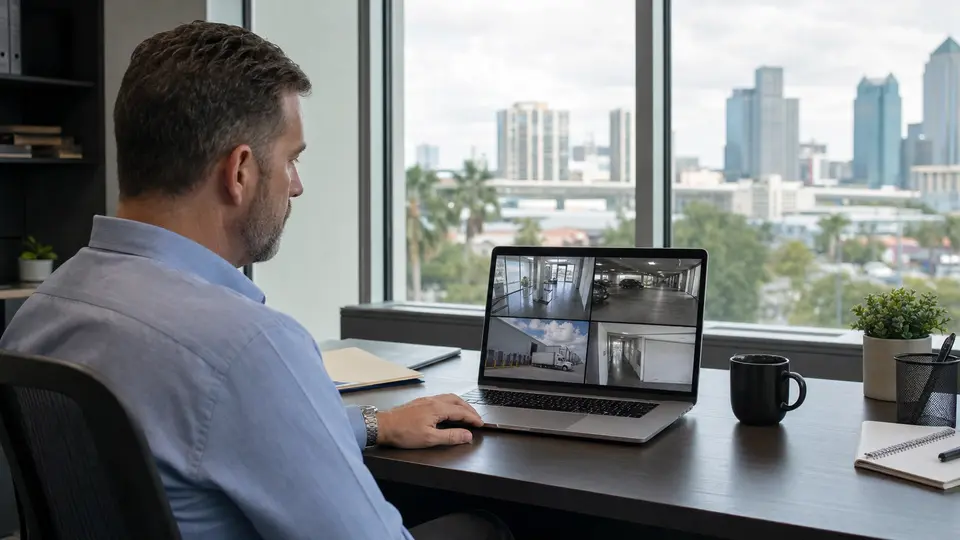
Use when the plant needs recorder sizing, storage planning, authorized users, remote access, playback workflows, and permissions documented for operations or security teams.
View Remote Viewing
Use when existing industrial cameras, cabling, recorders, switches, or remote viewing are failing and the site needs troubleshooting before or after installation work.
View Camera Service
Choose this service for ongoing industrial camera inspection, cleaning, testing, documentation updates, and lifecycle support where access equipment, production schedules, and service notes matter.
View Maintenance
Use when camera reliability depends on switches, VLANs, bandwidth, racks, IDFs, uplinks, and stable connectivity between production, office, yard, and equipment-room areas.
Review Network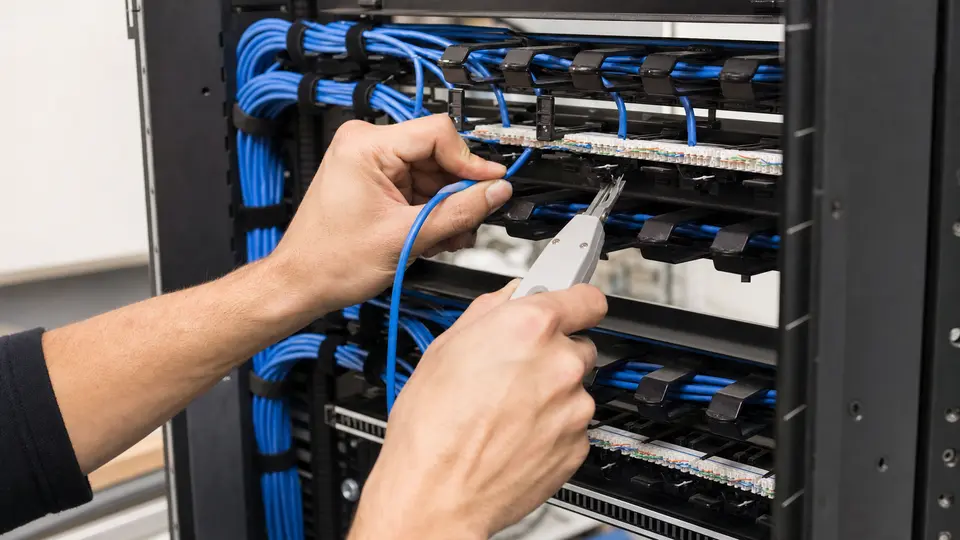
Use when industrial camera locations require Cat6 pathway planning, terminations, labeling, testing, cable protection, and documentation across machinery, yard, or building areas.
Review Cabling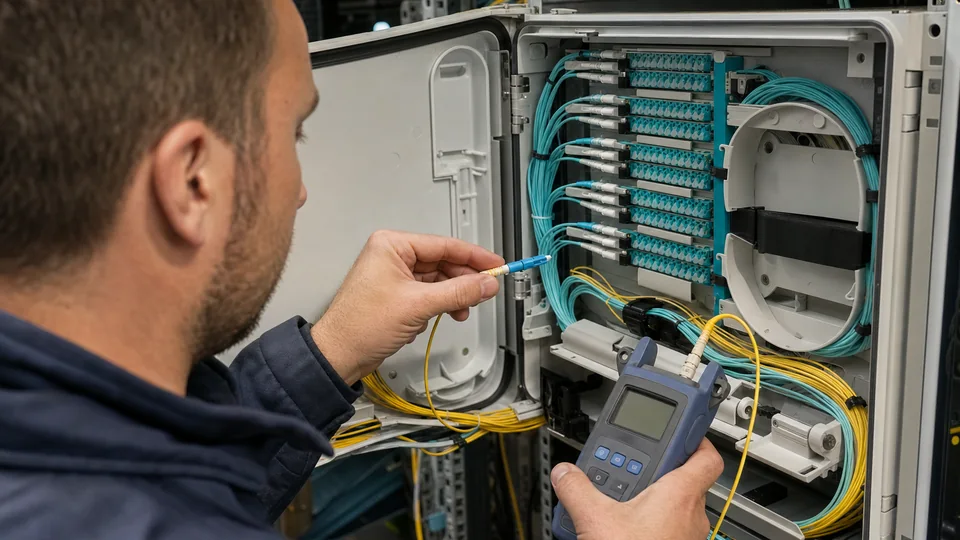
Use when long-distance industrial coverage requires fiber backbone planning, inter-building connectivity, yard-to-building links, remote-building cameras, or IDF-to-IDF connections.
View Fiber Services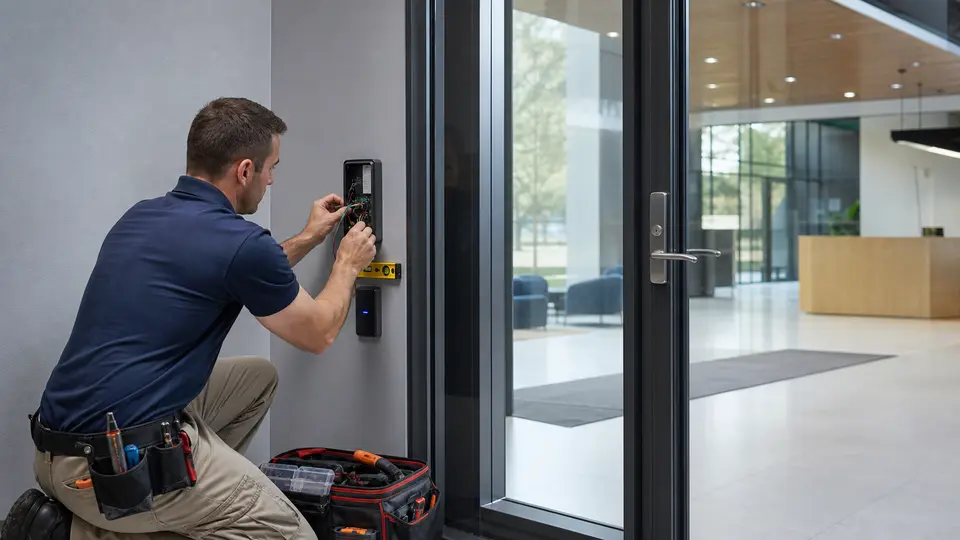
Use when camera views need to coordinate with controlled industrial doors, restricted rooms, equipment areas, employee entrances, or access events that require visual verification.
Review Access Control
Use when visitor, vendor, delivery, or gate communication should be paired with camera verification at industrial entrances, receiving points, or controlled access locations.
View Intercom Systems
Use when vehicle gates, entry lanes, yard access, gate cameras, access workflows, and industrial perimeter entry points need to be planned with the camera system.
View Gate EntryRELATED INDUSTRIES

Compare camera, access, cabling, network, and support priorities across Tampa Bay property types.
View Industries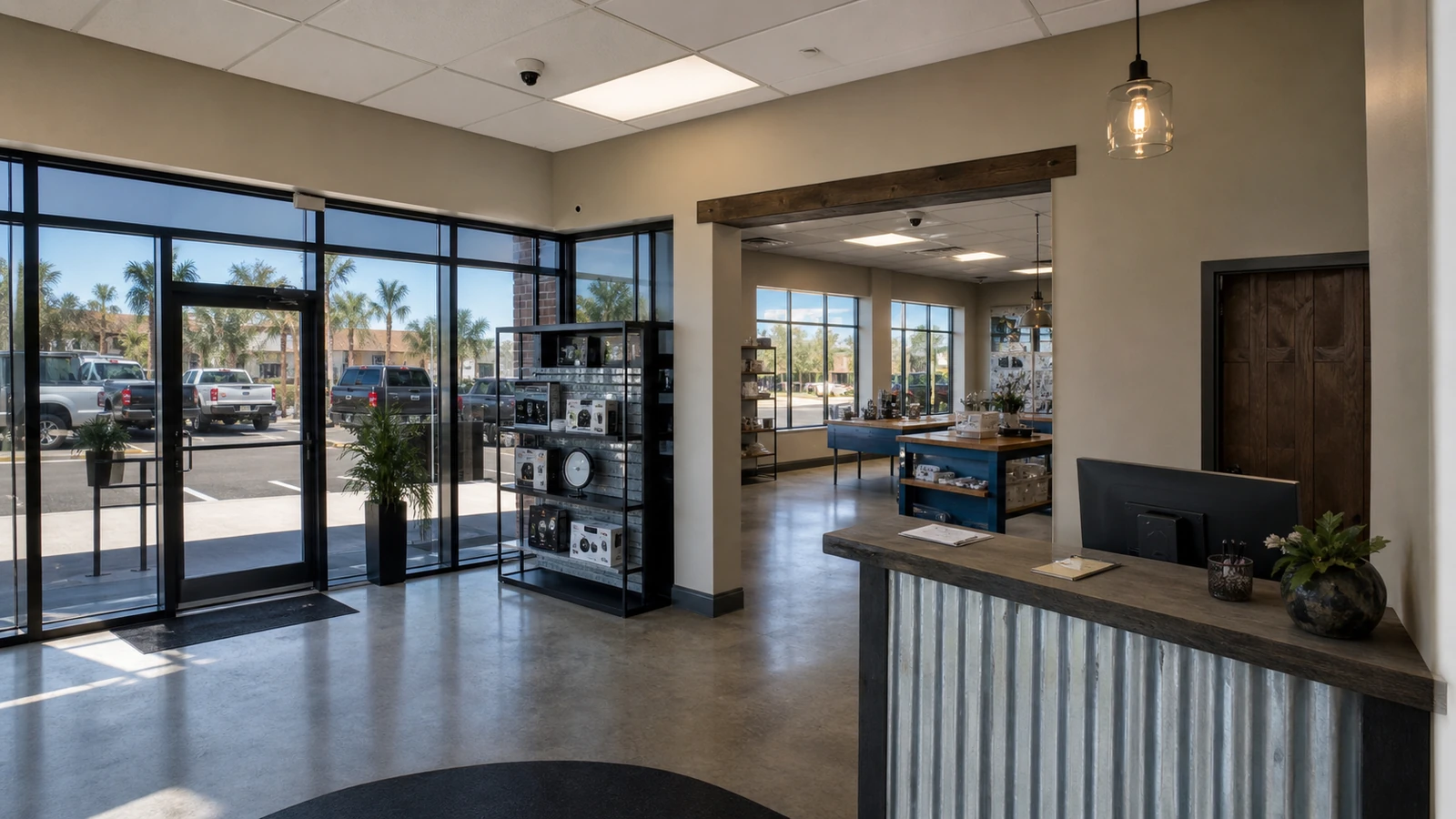
Retail and office focuses on occupied storefronts, reception areas, tenant spaces, stockrooms, and customer-facing operations; Industrial focuses on production floors, machinery, processing, yards, and plant infrastructure.
View Retail & Office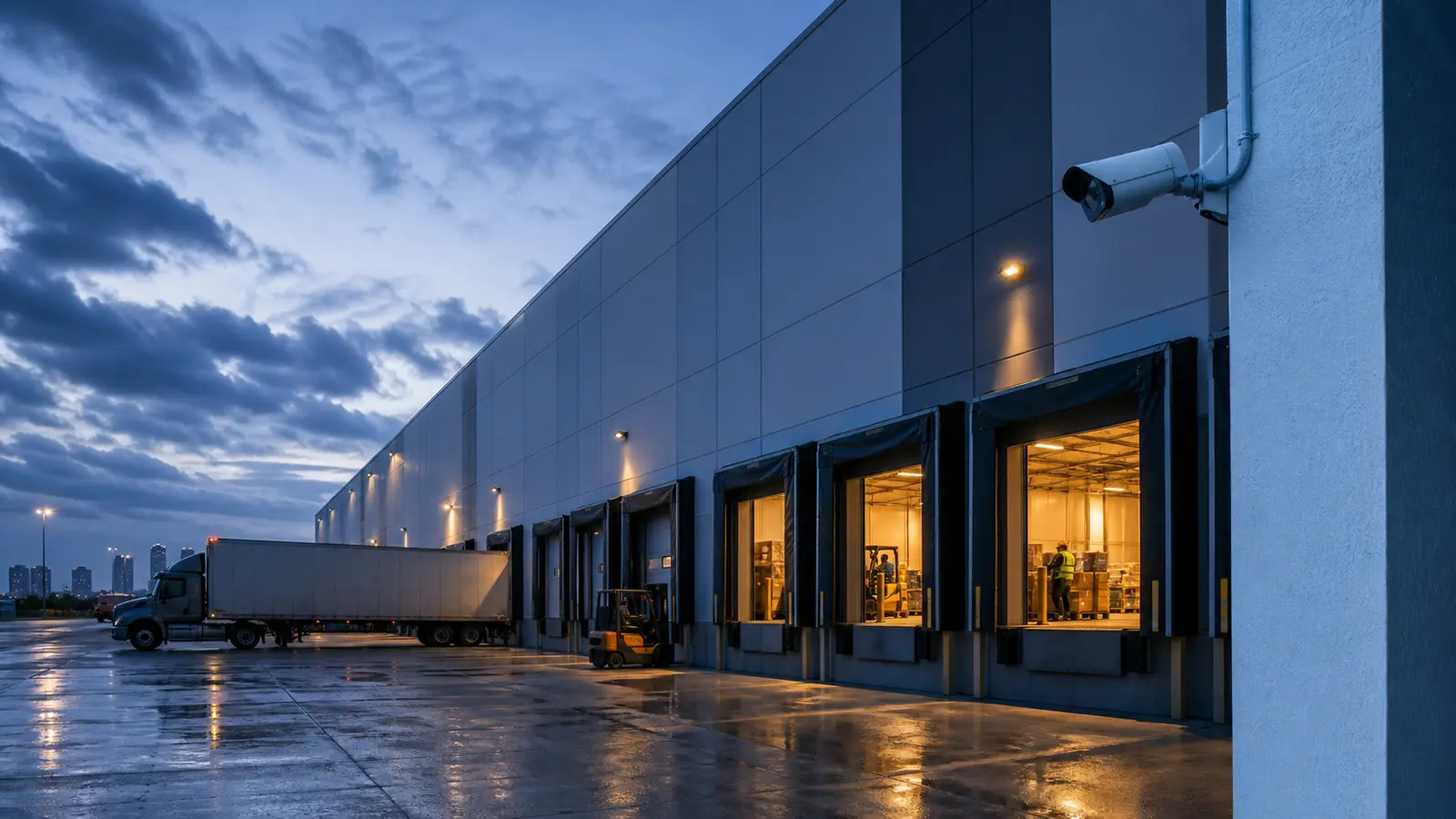
Warehouse focuses on logistics, storage, shipping, receiving, docks, and staging; Industrial focuses on manufacturing, production activity, machinery areas, processing zones, and industrial infrastructure.
View Warehouse & Logistics
HOA and condominium focuses on boards, residents, amenities, gates, garages, and shared-community governance; Industrial focuses on facilities, production environments, yards, and operational infrastructure.
View HOA & Condominium
Property Management focuses on portfolio operators, tenant coordination, owner reporting, vendor continuity, and standards; Industrial focuses on plant operations, machinery areas, elevated views, IDFs, fiber, and production-specific camera placement.
View Property Management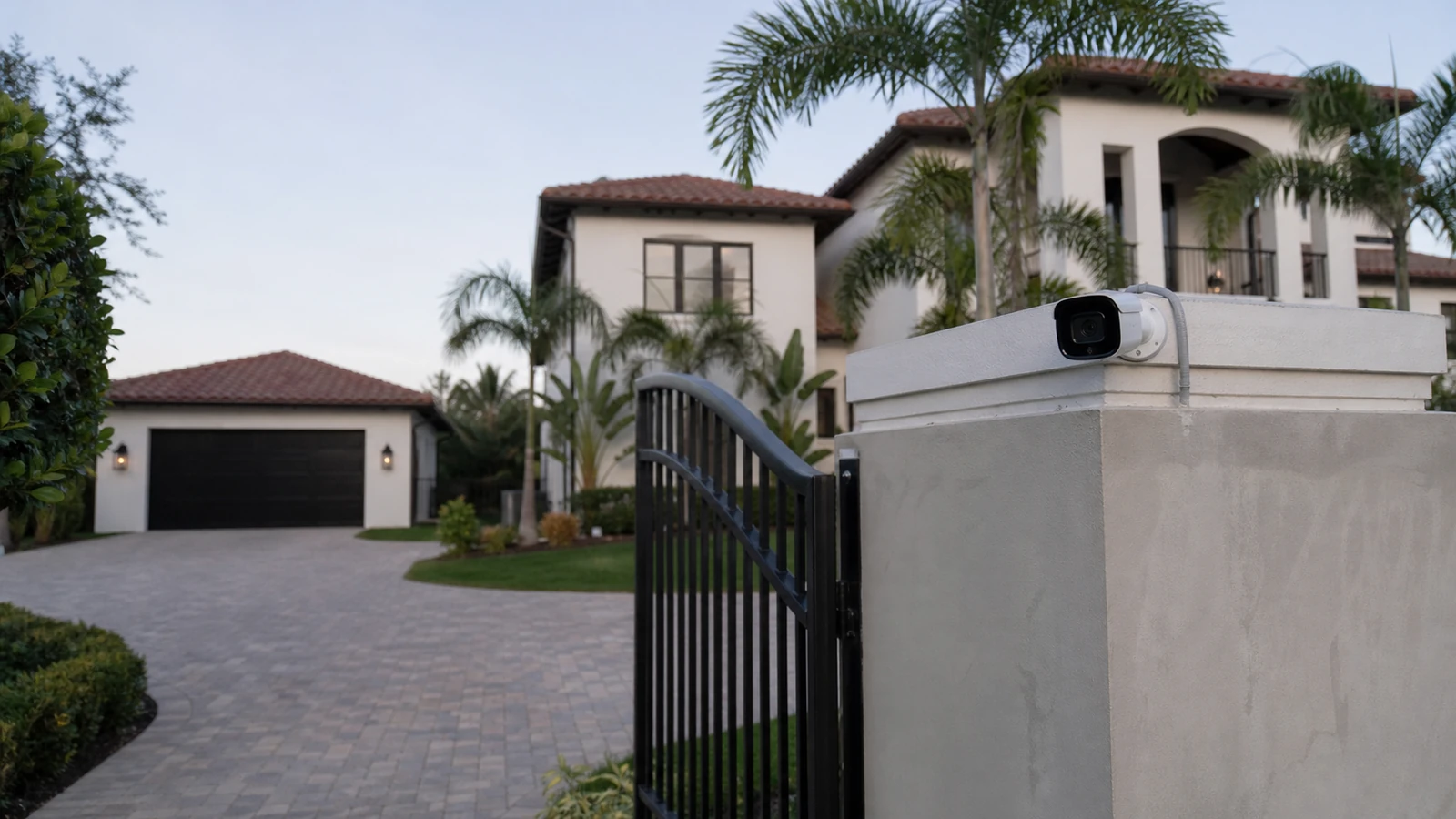
Select Residential focuses on complex individual private properties such as estates, gates, long driveways, and detached buildings; Industrial focuses on manufacturing and production facilities with plant infrastructure.
View Select ResidentialPROCESS
Review production areas, machinery zones, yards, access constraints, infrastructure, and stakeholder priorities before camera locations are finalized.
Confirm PoE, fiber, IDFs, switch capacity, cable routes, lift access, and service access so the plan is buildable.
Map proposed views, camera names, recorder needs, viewing permissions, and industrial constraints in a practical handoff.
Coordinate installation readiness, document final dependencies, and provide service notes for long-term facility operation.
FAQ
Industrial facilities often include production floors, machinery zones, processing areas, elevated views, industrial yards, long pathways, PoE, fiber, IDFs, and serviceability constraints that differ from warehouse storage, staging, and shipping priorities.
No. Industrial Security Solutions covers broader integrated security planning. Industrial Security Camera Installation focuses specifically on camera planning for manufacturing and industrial environments.
Yes. Camera locations can be planned around production lines, equipment areas, operator movement, access limitations, lighting, viewing priorities, and service needs.
Yes. A plan can include industrial yards, exterior gates, storage areas, vehicle approaches, perimeter views, and lighting considerations when the site conditions support practical coverage.
Most modern systems require PoE switching, recorder access, network capacity, cable pathways, IDF coordination, and sometimes fiber or inter-building connectivity.
Yes. Elevated mounting can be reviewed with lift access, ceiling height, field of view, safety coordination, and future serviceability in mind.
Prepare priority areas, facility access rules, production schedules, equipment-room access, network contact information, known incidents, lift-access limits, and existing camera or cabling notes.
Yes, when recorder access, network connectivity, user permissions, and authorized viewing workflows are available and documented.
No. Warehouses and logistics facilities have separate guidance. This page is for industrial and manufacturing environments with production, machinery, and industrial infrastructure considerations.
Yes. Names should match useful locations such as line one, fabrication bay, yard gate, equipment room, process area, or exterior storage so teams can find footage quickly.
Yes. Service notes can identify lift access, camera reach, cable routes, network dependencies, and known constraints that affect future troubleshooting.
Data Pro Communications can review the property type, priority areas, existing low-voltage conditions, and next steps for an industry-specific camera plan.