Commercial Ethernet Drops
Plan and install copper runs for workstations, POS stations, printers, phones, cameras, access points, access control, and intercom devices.

Copper cabling and Ethernet drops for commercial connected systems
Data Pro Communications installs Cat6 and Cat6A horizontal cabling for Tampa Bay businesses, managed properties, warehouses, offices, hospitality sites, healthcare environments, and multi-building facilities. Each project is planned around device locations, pathways, distance limits, rack termination, testing, labeling, and future expansion.
The scope can include workstation drops, POS connectivity, IP camera cabling, wireless access point cabling, VoIP phone drops, access control and intercom device cabling, patch panels, keystone jacks, faceplates, and organized rack termination. Performance depends on the complete channel, installation quality, distance, components, testing, and connected equipment.
A useful commercial infrastructure project begins with endpoints, pathways, telecom rooms, equipment, ownership boundaries, testing expectations, documentation, and future capacity. A site survey turns those conditions into a buildable scope.
SERVICE OVERVIEW
Cat6 and Cat6A Cabling covers the horizontal copper layer between network rooms and connected devices. It is the right service when a property needs new Ethernet drops, replacement runs, device cabling, or a documented copper-cabling expansion.
This page is narrower than Structured Cabling, which covers the broader organized cabling system, pathways, racks, patch panels, copper, and fiber. Network Infrastructure focuses on switches, patching, uplinks, and connected-system support, while Fiber Optic Services covers backbone and long-distance links.
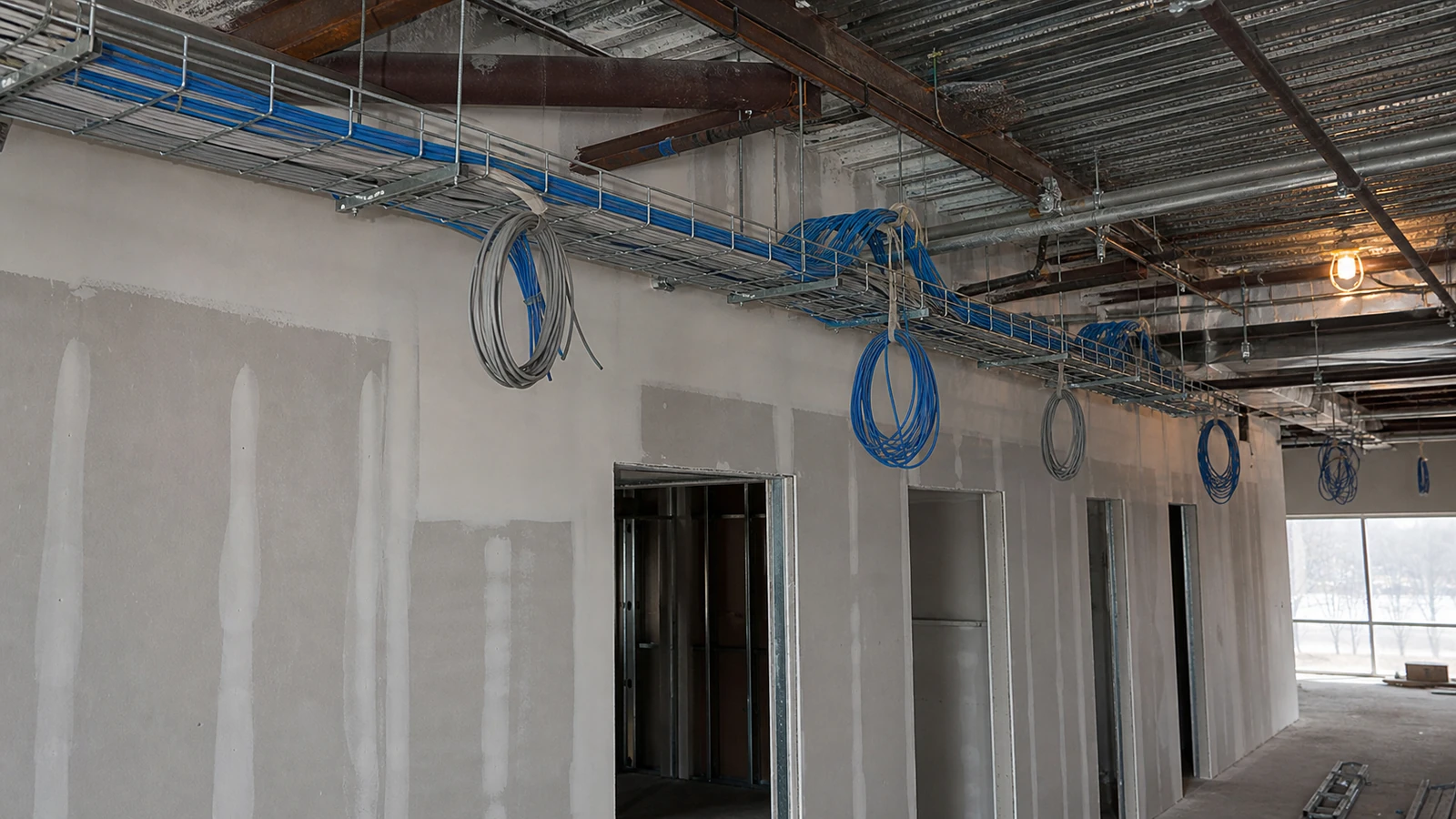
CAMERA SERVICES
Plan and install copper runs for workstations, POS stations, printers, phones, cameras, access points, access control, and intercom devices.
Match cable category and components to pathway conditions, channel length, PoE demand, connected equipment, and expansion goals.
Terminate cables at labeled patch panels, keystone jacks, faceplates, and rack locations for clean serviceability.
Plan copper pathways for IP cameras, wireless access points, VoIP phones, access control panels, and other PoE-connected devices.
Test installed links, label both ends, identify rack and room destinations, and document exceptions or pathway constraints.
Reserve rack capacity, pathway space, and labeling conventions so future drops can be added without creating an unmanaged cabling environment.
LOCAL PROPERTY PLANNING
Tampa Bay commercial properties often combine finished offices, retail buildouts, warehouses, hospitality spaces, healthcare suites, multifamily common areas, and industrial operations. Copper-cabling plans must account for occupied spaces, ceiling access, plenum or riser conditions where applicable, pathway congestion, rack location, and the operating schedule of the property.
Downtown Tampa and Westshore office properties may require phased work around tenants and business hours. Port, airport, and logistics corridors may need longer pathways, lift coordination, loading-area device drops, and durable labeling. Managed properties and multi-building campuses benefit from consistent jack, patch-panel, and room naming across expansions.
A site survey should confirm device counts, rack capacity, cable routes, maximum channel lengths, mounting locations, ceiling conditions, firestopping boundaries, and whether existing pathways can be reused.

PROPERTY APPLICATIONS
Add labeled Ethernet drops for desks, conference rooms, printers, phones, and shared devices.
Support registers, back-office equipment, digital signage, cameras, and wireless access points.
Provide drops for scanners, cameras, access points, workstations, and dock-area systems.
Cable IP cameras, access control devices, intercom stations, and related networked endpoints.
Coordinate guest-facing and back-of-house device drops while maintaining clean pathways and documentation.
Apply consistent cable labels, patch-panel conventions, and test records across multiple facilities.
RELATED SERVICES
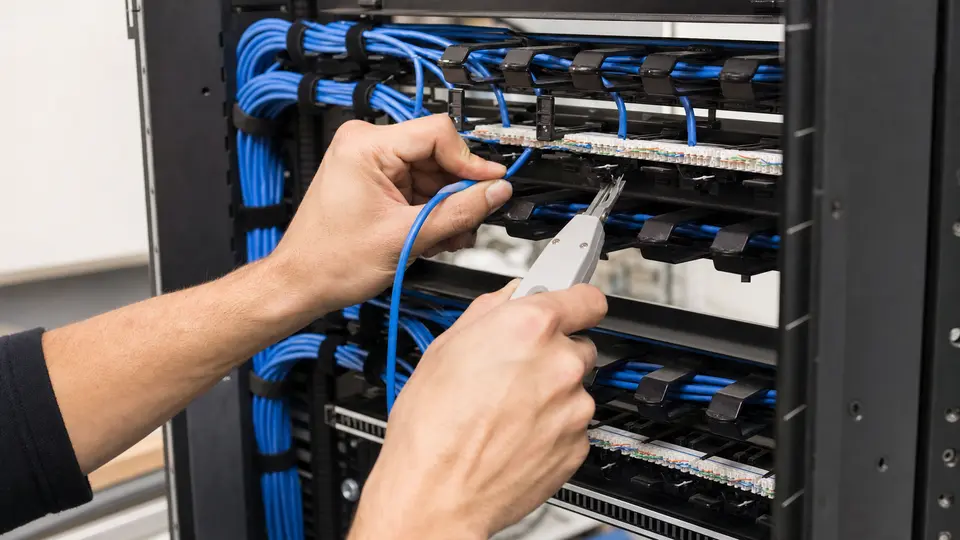
Use Structured Cabling when the project needs coordinated support as part of a coordinated property project.
Review Cabling
Use Network Infrastructure when the project needs coordinated support as part of a coordinated property project.
Review Network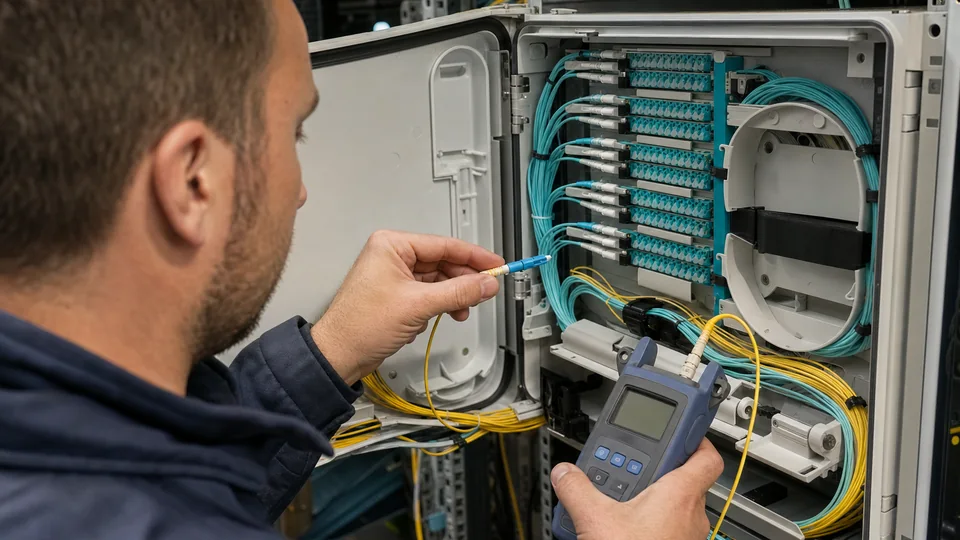
Use Fiber Optic Services when the project needs coordinated support as part of a coordinated property project.
View Fiber Services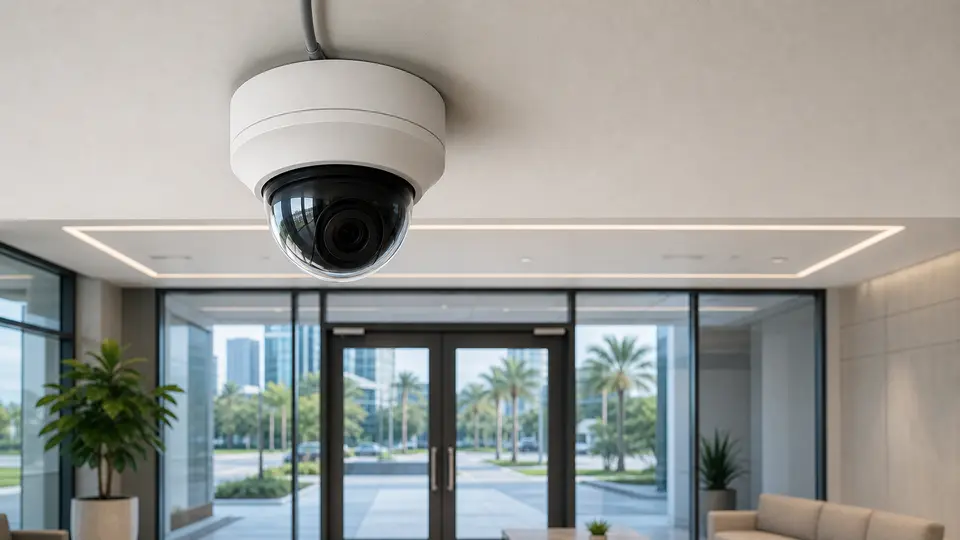
Use IP Video Surveillance when the project needs coordinated support as part of a coordinated property project.
View IP Video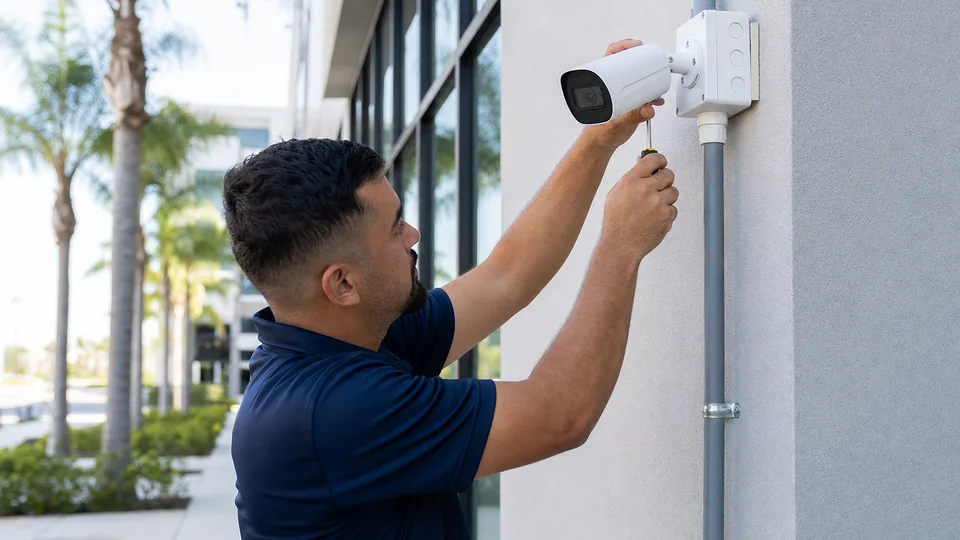
Use Security Camera Installation when the project needs coordinated support as part of a coordinated property project.
Review Camera Services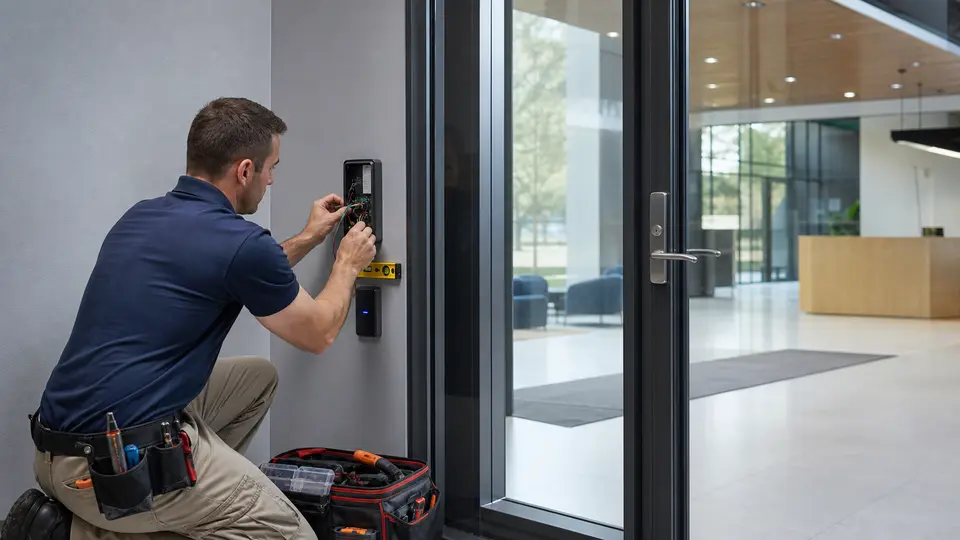
Use Access Control Installation when the project needs coordinated support as part of a coordinated property project.
Review Access Control
Use Intercom System Installation when the project needs coordinated support as part of a coordinated property project.
View Intercom Systems
Explore the Solutions Hub to compare camera, cabling, network, access, entry, AV, and ongoing support services.
View All SolutionsRELATED INDUSTRIES
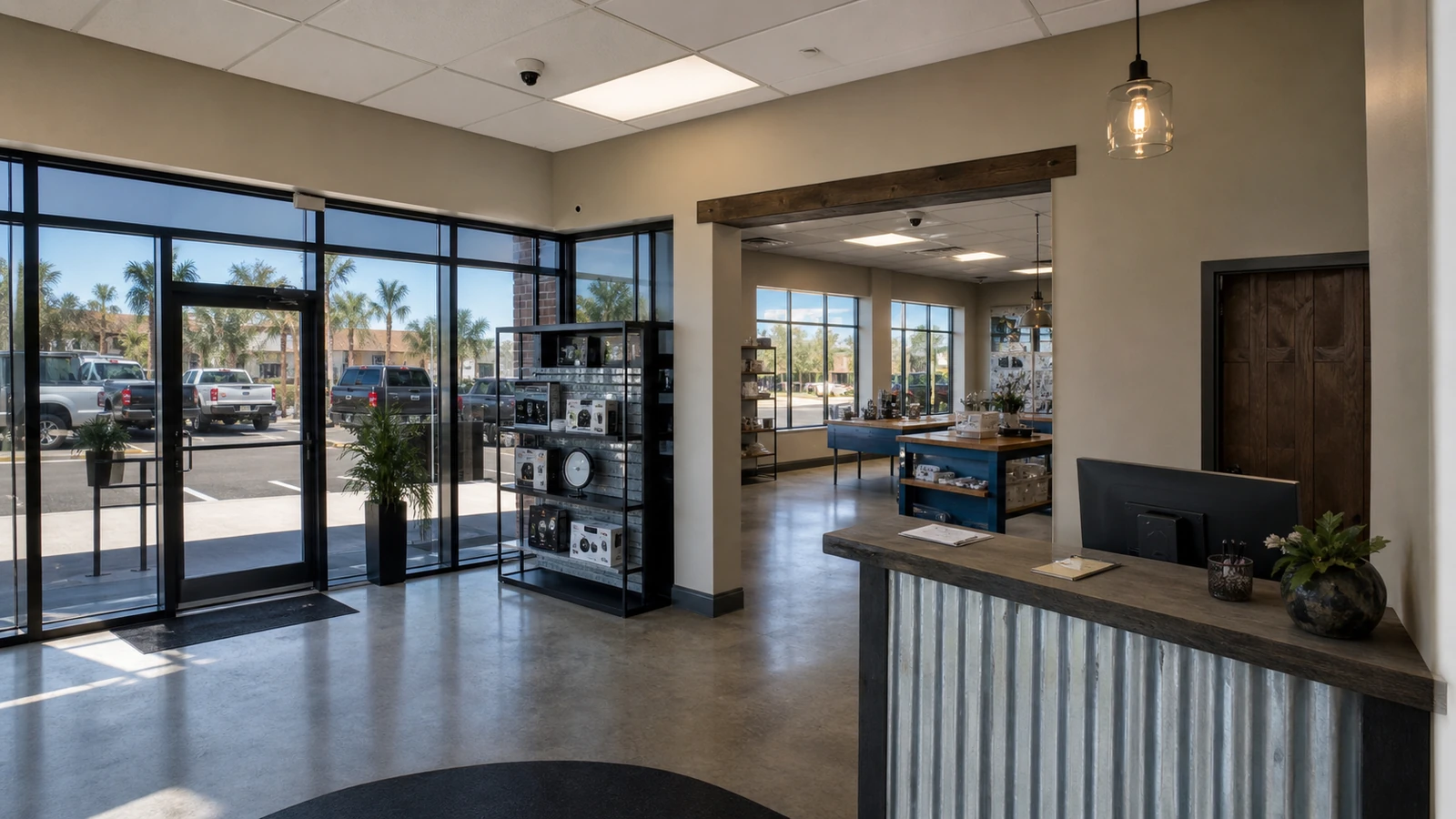
Relevant for retail and office properties planning commercial infrastructure in Tampa Bay.
View Retail & Office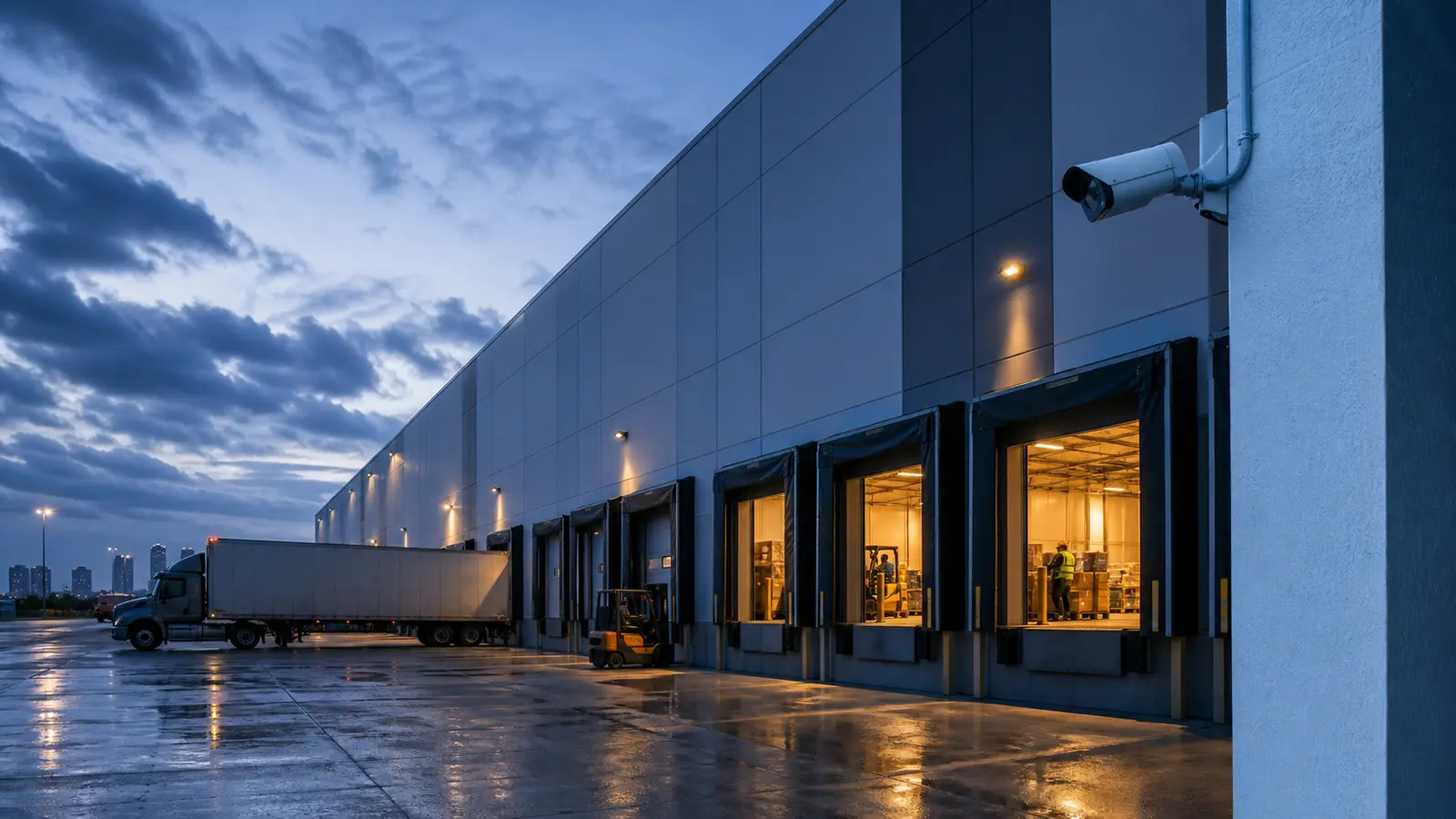
Relevant for warehouse properties planning commercial infrastructure in Tampa Bay.
View Warehouse & Logistics
Relevant for HOA and condominium properties planning commercial infrastructure in Tampa Bay.
View HOA & Condominium
Relevant for industrial properties planning commercial infrastructure in Tampa Bay.
View Industrial Facilities
Relevant for property management properties planning commercial infrastructure in Tampa Bay.
View Property ManagementPROCESS
Confirm endpoints, pathways, telecom rooms, equipment, access, operating constraints, documentation needs, and ownership boundaries.
Define routes, components, rack or enclosure requirements, testing, labels, handoff records, and expansion allowances.
Install approved components, coordinate equipment connections, label endpoints, and maintain clean serviceable organization.
Complete the defined verification, document results and exceptions, and provide practical next-step or expansion notes.
FAQ
Both are copper Ethernet cabling categories, but Cat6A is designed for higher-frequency performance and improved alien-crosstalk control. The correct choice depends on channel length, components, pathway conditions, PoE demand, connected equipment, and project goals.
No. Performance depends on the full channel, including cable length, patch panels, jacks, patch cords, termination quality, testing, switches, and connected devices. A category label alone is not a performance guarantee.
Yes. Cat6 or Cat6A cabling can support IP cameras, wireless access points, VoIP phones, access control, intercoms, and other networked devices when the pathway, distance, PoE demand, and equipment requirements are properly planned.
A typical scope may include pathway planning, cable installation, termination at the rack and outlet, patch-panel or jack labeling, testing, and documentation. Exact inclusions depend on the property and approved scope.
Copper Ethernet channels have standards-based distance limits, and the practical design must include permanent link length plus patch cords. The site survey should confirm actual routing and avoid assuming straight-line distance.
Testing and labeling are important parts of a professional handoff. The testing method and documentation level should be defined in the project scope so the owner knows what records will be delivered.
Sometimes. Existing conduit, tray, sleeves, J-hooks, and ceiling pathways must be inspected for capacity, accessibility, condition, separation, and code-related constraints before reuse.
No. This service focuses on horizontal copper runs and device drops. Structured Cabling is broader and can include pathways, racks, patch panels, copper, fiber, organization, and system-wide standards.
Yes, with coordination. Work may be phased around operating hours, tenant access, ceiling conditions, furniture, noise, and areas that cannot be interrupted.
Provide device locations, floor plans if available, rack or telecom-room locations, operating hours, ceiling and pathway information, expected PoE devices, and any future expansion goals.
Request a site survey to review the existing conditions, project goals, infrastructure boundaries, and the information needed for a clear commercial scope.