Commercial Infrastructure and Camera Planning

License Plate Recognition Camera Planning

A license plate recognition camera is designed to capture plate detail at a controlled vehicle approach, but it works only when distance, angle, speed, lighting, mounting and software expectations are planned carefully. A general parking-lot camera should not be assumed to read plates reliably.

Tampa properties with parking entrances, gated communities, service yards, logistics access, hotels, garages and fleet areas may consider plate capture at controlled entry or exit points. LPR planning should account for vehicle speed, headlight glare, lane position, nighttime performance and data review workflow.

Commercial-First PlanningPlanning is based on real property operations, IT workflow and support needs.
Infrastructure Before EquipmentPathways, power, network and recording requirements are reviewed before products are selected.
Clear User WorkflowViewing, administration, alerts and support responsibilities are planned before turnover.
Useful Evidence GoalsCoverage and infrastructure choices are tied to what the team needs to review later.
Documented System DeliveryFinal delivery includes testing, labeling, user guidance and system documentation so the team can operate and support the system.

LPR CAMERA PLANNING

Planning LPR Cameras for Clear Rear-Plate Capture

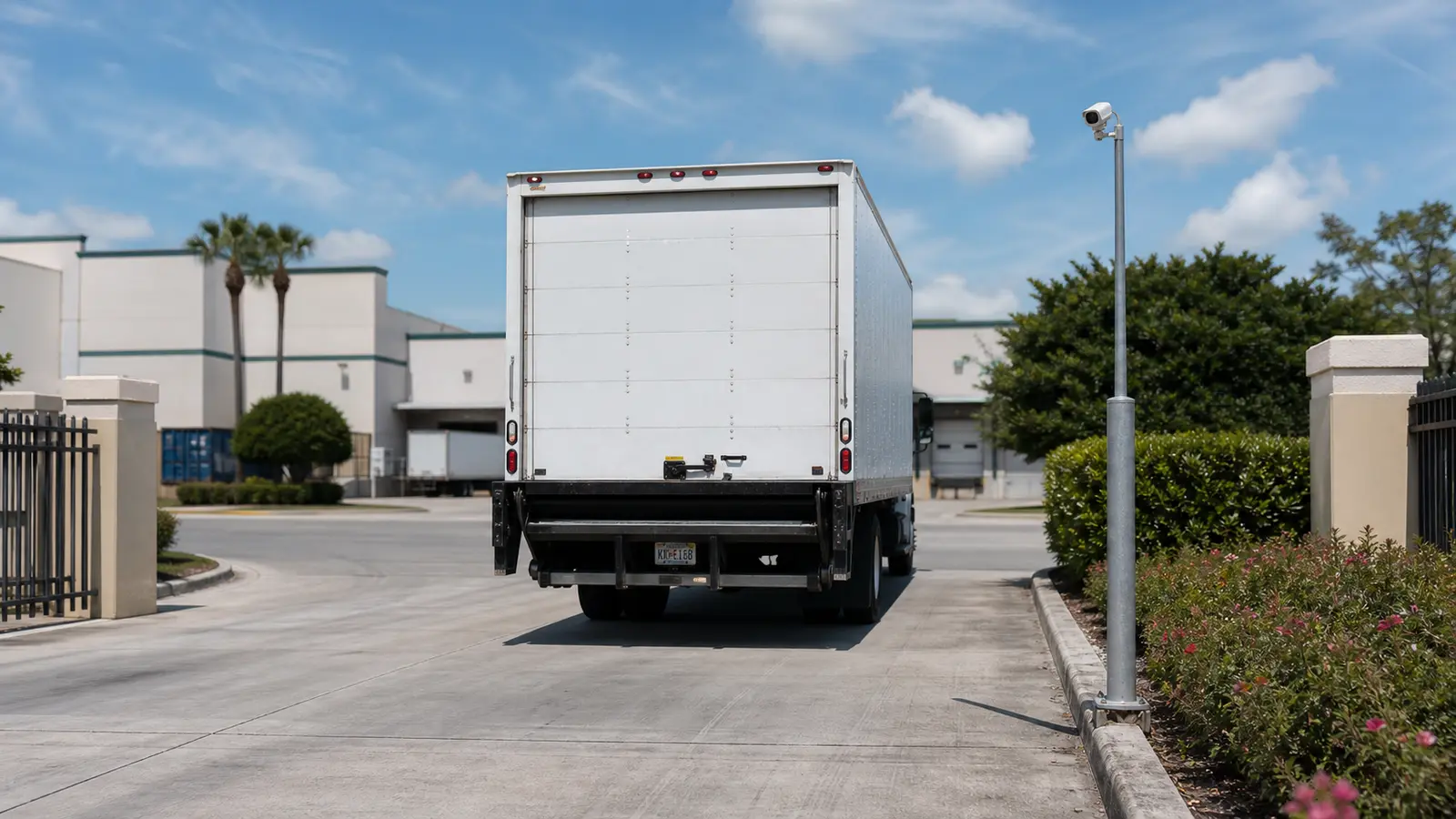
LPR planning includes the plate camera, lens, mounting height, lane angle, illumination, shutter settings, analytics or recognition software, recording platform, vehicle approach geometry and a policy for who can search or export plate data.

Data Pro Communications helps Tampa-area commercial properties plan low-voltage, cabling and camera infrastructure with clear documentation, testing and practical support for the teams that use the system.

Dedicated LPR camera viewing the rear plate of a box truck in an unobstructed commercial lane

PLANNING GUIDE

License Plate Recognition Planning Factors

Vehicle Approach Review

Measure lane speed, angle, stop point and plate distance before selecting an LPR camera.

Plate Capture Geometry

Set mounting height, lens and aim for the plate area rather than a wide parking overview.

Recognition Processing

Coordinate camera analytics, VMS or NVR licensing and event association requirements.

Overview Camera Pairing

Add contextual video when operators need vehicle color, direction or surrounding activity.

Authorized Search and Export

Define who can search plate events, export clips and handle evidence requests.

Retention Controls

Document retention settings and data-handling expectations before turnover.

Tampa parking garages, gated communities, hotels, logistics yards, service entrances and mixed-use properties often need LPR planning at controlled vehicle approaches rather than wide parking-lot views. Lane speed, camera angle, night lighting, headlight glare, overview camera pairing, search permissions and retention rules should be documented before a plate-recognition camera is selected.

License Plate Recognition Cameras Detailed Planning Guide

License Plate Recognition Cameras: What This Guide Covers

License Plate Recognition Cameras: How the System Works

The camera is aimed at a defined vehicle path, captures a plate image under controlled angle and lighting, and sends the image or recognition result to the recording or management platform. Accuracy depends on the scene being built for plate capture rather than general overview.

License Plate Recognition Cameras: Core Components

License Plate Recognition Cameras: Operational Flow

Operational Flow: vehicle approach -> plate capture -> recognition processing -> event association -> authorized search/export -> retention.

License Plate Recognition Cameras: Planning Criteria

  • Confirm the exact vehicle lane, speed and target plate distance.Lane, speed and plate-distance measurements define whether the camera can capture readable plates and affect lens selection, mounting point and whether traffic-control changes are needed.
  • Select mounting height, angle, lens and lighting for plate capture.Mounting height, angle, lens and lighting documentation determines if the camera can handle day, night, glare and vehicle approach geometry at the chosen lane.
  • Plan overview coverage separately from the plate camera.Overview coverage should be planned separately because it affects operator context, incident review and whether the LPR view is paired with a wider vehicle or driver scene.
  • Define retention, search permissions and export workflow.Retention, search permissions and export workflow matter because plate data can be sensitive and the decision affects VMS settings, user roles and policy documentation.
  • Test day, night, headlight glare and real vehicle movement before acceptance.Acceptance testing with real vehicles confirms day and night capture performance and affects final aim, illumination, recognition settings and sign-off.

License Plate Recognition Cameras: Commercial Examples

Example: A gated commercial yard may place an LPR camera at the entrance lane where vehicles slow down.

Example: A parking garage may need plate capture at controlled entry and exit points rather than across the whole garage.

Example: A hotel or managed property may use plate views for incident review around parking access.

License Plate Recognition Cameras: Operational Recommendations

Recommendation: Use LPR only where vehicle path, speed and angle can be controlled.

Recommendation: Keep a separate overview camera so the plate view is not the only context for an event.

License Plate Recognition Cameras: Advantages and Limitations

License Plate Recognition Cameras: Advantages

Advantage: Can improve vehicle-event review when plates are captured at entrances or exits.

Advantage: Supports investigations where vehicle access is part of the operational question.

Advantage: Can pair with overview cameras for better context around vehicle movement.

License Plate Recognition Cameras: Limitations

Limitation: Glare, speed, angle, dirty plates, weather and nighttime conditions can reduce capture quality.

Limitation: LPR should not be expected from wide general parking views.

Limitation: Search and export permissions should be controlled and documented.

License Plate Recognition Cameras: Common Mistakes

Common mistake: aiming an LPR camera too wide

Common mistake: placing the camera where vehicles move too fast

Common mistake: ignoring headlights and nighttime exposure

Common mistake: forgetting a separate overview camera

License Plate Recognition Cameras: Infrastructure Dependencies

  • Vehicle lane geometryMeasure lane width, speed, stop point, plate distance and approach angle because LPR success depends on controlled capture conditions.
  • Lighting and exposure controlDocument daylight, nighttime, headlights and shade conditions so shutter, IR and mounting decisions support readable plates.
  • Recognition software and event associationConfirm whether the camera, NVR or VMS handles recognition, alerts and event linking because that affects licensing and search workflow.
  • Retention and authorized exportDefine retention duration, user permissions and export procedure so plate events are searchable without uncontrolled access.

License Plate Recognition Cameras: Decision Checklist

[ ] Confirm the exact vehicle lane, speed and target plate distance.

[ ] Select mounting height, angle, lens and lighting for plate capture.

[ ] Plan overview coverage separately from the plate camera.

[ ] Define retention, search permissions and export workflow.

[ ] Test day, night, headlight glare and real vehicle movement before acceptance.

License Plate Recognition Cameras: When to Request a Site Review

Request a site review when a property needs plate capture at a gate, parking entrance, service yard, garage, hotel drive or fleet area and the team needs to verify lane geometry, lighting, speed and review workflow.
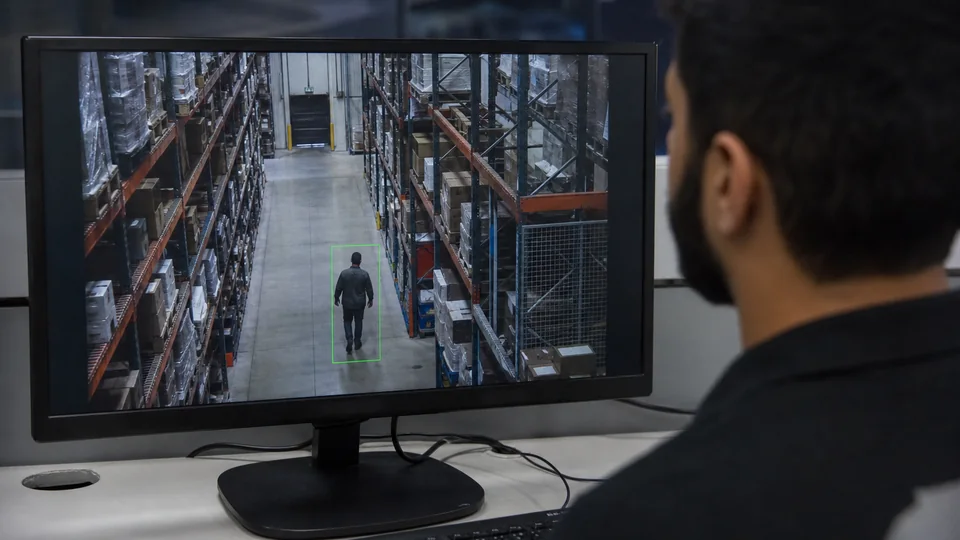
PROCESS

License Plate Recognition Cameras Project Process

Define the vehicle access point and plate-capture objective

The project first defines which lane and travel direction require plate detail and how the captured information will be reviewed.

Measure lane distance, angle, speed, mounting options and lighting conditions

Lane distance, vehicle angle, speed, mounting position, headlight glare, and ambient light are measured under realistic conditions.

Select LPR camera, overview camera, recording and analytics workflow

A dedicated LPR view, contextual overview camera, recorder, and search workflow are selected as one coordinated design.

Test day and night plate capture with real vehicles and document search permissions

Real vehicles are used to validate day and night capture, after which search access and retention permissions are documented.

FAQ

License Plate Recognition Cameras FAQs

What does an LPR camera need to capture license plates reliably?

Reliable plate capture requires a controlled vehicle path, suitable target distance, narrow angle, realistic vehicle speed, stable mounting, appropriate shutter and illumination settings, and a defined search and recording workflow.

Where should a license plate recognition camera be installed?

It is useful when the property needs the specific capability described in this article and the infrastructure, workflow and support requirements can be planned before installation.

Why is a general parking-lot camera not enough for plate recognition?

A parking overview is usually too wide and uses settings intended for general activity. LPR needs a dedicated view that places enough pixels on the plate while controlling angle, glare, speed, exposure, and nighttime illumination.

How do vehicle speed and lane angle affect LPR performance?

Avoid aiming an LPR camera too wide, placing the camera where vehicles move too fast, ignoring headlights and nighttime exposure.

What lighting conditions should be tested for LPR cameras?

Test direct sun, shade, dusk, full darkness, headlights, reflective plates, wet pavement, and any nearby fixtures that can change exposure. Real vehicles should be used to confirm both approach and departure views where required.

Should LPR cameras be paired with overview cameras?

Document camera or cable labels, equipment locations, user roles, test results, support notes and any assumptions that affect future service.

Who should be allowed to search or export LPR events?

Sometimes. Existing cabling, mounts, network equipment or recording hardware should be inspected and tested before it is included in the final design.

How long should license plate recognition events be retained?

Facility, operations, IT, security and property-management stakeholders should align on goals, access, maintenance and review workflow.

What mistakes cause poor LPR capture at commercial entrances?

Confirm the exact vehicle lane, speed and target plate distance.

When should a Tampa property request an LPR camera site review?

Request an LPR review for gates, parking entrances, service yards, garages, hotel drives, or fleet areas when lane geometry, speed, lighting, mounting, and the plate-review workflow need field confirmation.

NEXT STEP

Plan License Plate Capture at Vehicle Entries

Request a commercial site review when the property needs a practical plan, clear infrastructure assumptions and a documented path to implementation.

Request a Site Survey