Vehicle and Pedestrian Entry
Plan vehicle lanes, pedestrian gates, resident or employee access, visitor entry, delivery routes, and after-hours workflows around property operations.

Managed vehicle, pedestrian, visitor, and delivery entry at property perimeters
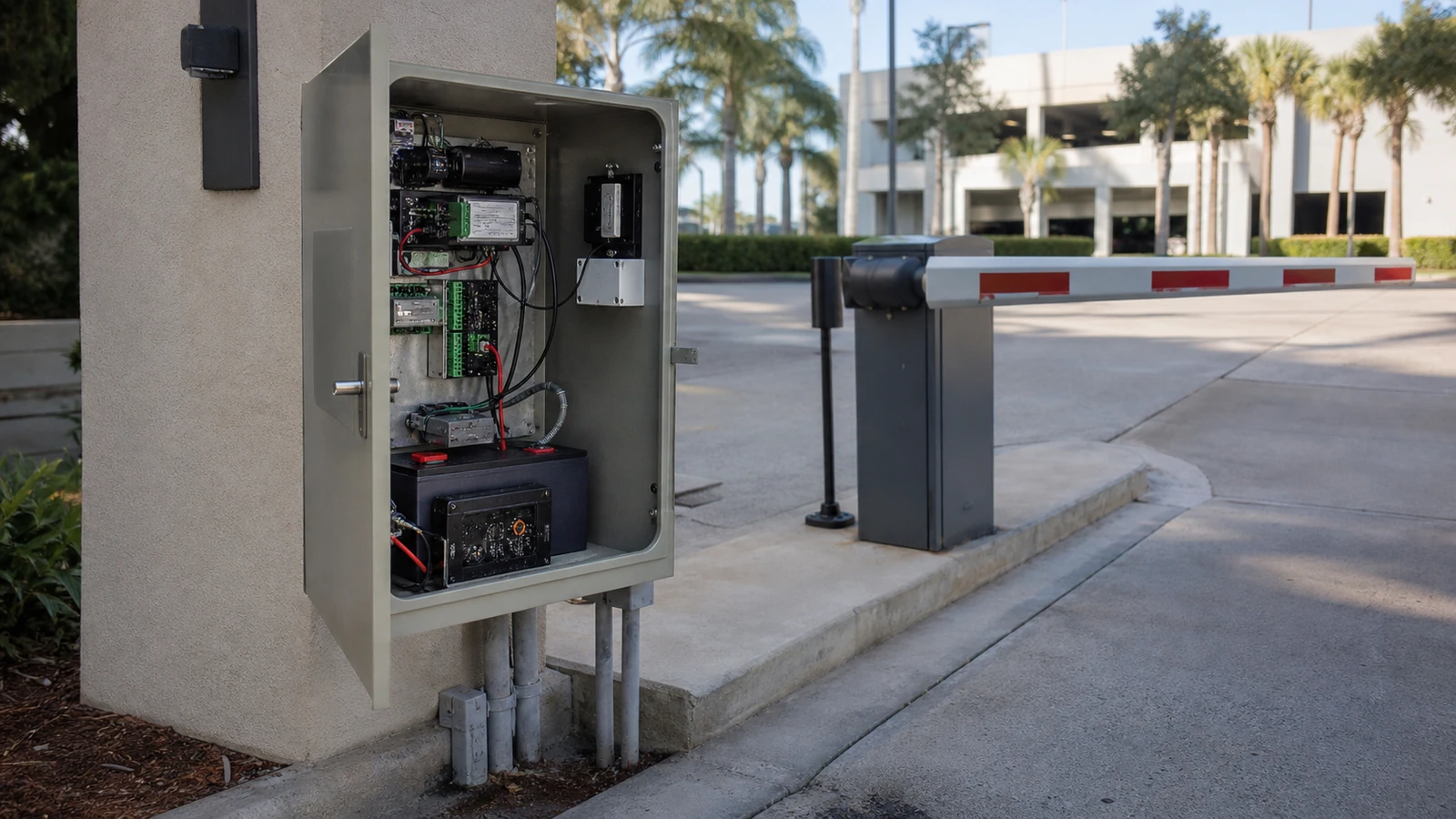
Data Pro Communications plans and installs approved low-voltage components for commercial gate and property-entry systems across Tampa Bay. Projects may coordinate vehicle and pedestrian gates, credential readers, keypads, long-range readers where applicable, telephone or video intercom entry, visitor workflows, gate cameras, access controllers, schedules, audit events, outdoor enclosures, network connectivity, copper or fiber backbones, and documentation.
Gate and Entry Systems covers the property-perimeter workflow: how residents, employees, visitors, vendors, and deliveries approach, communicate, authenticate, enter, and leave. Gate operators, loops, safety devices, structural work, civil work, line-voltage electrical, fire access, and life-safety responsibilities remain coordination boundaries unless separately approved and performed by the qualified responsible parties.
Gate projects are shaped by traffic patterns, visitor volume, credential methods, answering responsibility, operator interfaces, safety boundaries, trench and conduit routes, network distance, power, weather exposure, and expansion. A site survey helps define the low-voltage scope and coordination plan.
SERVICE OVERVIEW
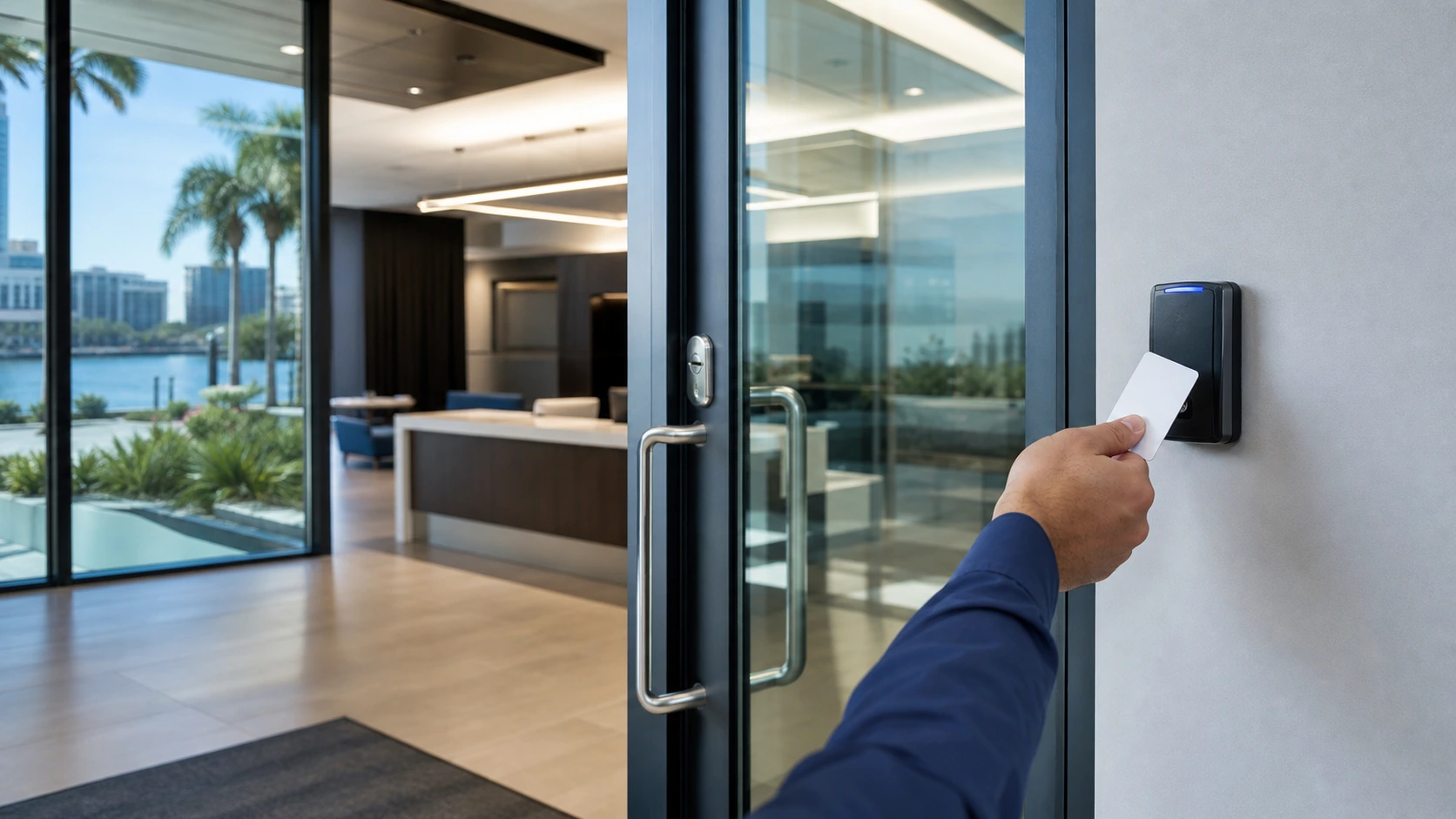
Gate-entry planning can cover vehicle lanes, pedestrian gates, resident or employee access, visitor entry, delivery routes, and after-hours workflows, with card, fob, keypad, mobile, or long-range credential options where the selected platform and site conditions support them.
Perimeter systems can coordinate gate-side visitor communication, cameras for approach, lane, pedestrian, and entry context, plus copper, fiber, network, PoE, surge, outdoor enclosures, pathways, trench, conduit, distance, and weather considerations. Access controllers, schedules, permissions, event history, labels, documentation, supported remote management, and future expansion remain part of the planned scope.
CAMERA SERVICES
Plan vehicle lanes, pedestrian gates, resident or employee access, visitor entry, delivery routes, and after-hours workflows around property operations.
Coordinate card, fob, keypad, mobile, or long-range credential options where the selected platform and site conditions support them.
Provide gate-side visitor communication and approved release workflows while the Intercom System Installation page covers the communication system itself.
Coordinate cameras for approach, lane, pedestrian, and entry context without promising unsupported license-plate recognition or universal identification results.
Plan copper, fiber, network, PoE, surge, outdoor enclosures, pathway, trench, conduit, distance, and weather considerations for perimeter devices.
Support access controllers, entry schedules, resident or employee permissions, event history, labels, documentation, remote management where supported, and future expansion.
LOCAL PROPERTY PLANNING
Tampa Bay managed properties often have long distances between the gate and the nearest telecom room. Downtown and Channelside structured garages, Westshore commercial campuses, and industrial or logistics sites may require careful pathway, network, power, enclosure, and camera planning.
Riverview and Brandon multifamily communities, HOAs, and condominiums may have heavy resident, visitor, rideshare, vendor, and delivery traffic. Entry rules should address peak periods, after-hours calls, temporary access, directory maintenance, tailgating concerns, and management ownership.
Clearwater, St. Petersburg, Pinellas County, and exposed properties may require outdoor-rated devices, corrosion awareness, surge protection coordination, drainage, sunlight visibility, and resilient network backbones. Gate-operator and safety-device work must remain clearly assigned to the qualified responsible parties.
PROPERTY APPLICATIONS
Coordinate resident credentials, visitor calling, delivery access, management workflows, and lane cameras.
Control employee, contractor, vendor, and after-hours entry at vehicle and pedestrian approaches.
Support truck, employee, visitor, and delivery workflows with gate-side communication, credentials, and camera context.
Organize guest, resident, staff, service, and rideshare entry while maintaining clear answering and release responsibilities.
Plan rugged perimeter devices, long distances, outdoor enclosures, backbone connectivity, schedules, and audit events.
Standardize entry naming, credential practices, directory ownership, labels, network design, and expansion across multiple properties.
RELATED SERVICES
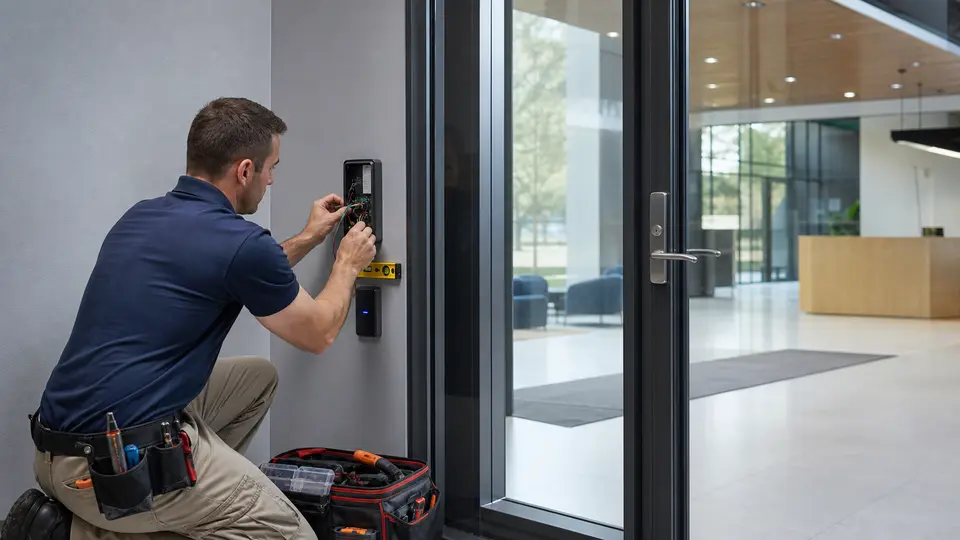
Use Access Control Installation when the project needs that related service scope in addition to Gate and Entry Systems.
Review Access Control
Use Door Access Control Systems when the project needs that related service scope in addition to Gate and Entry Systems.
View Door Access
Use Intercom System Installation when the project needs that related service scope in addition to Gate and Entry Systems.
View Intercom Systems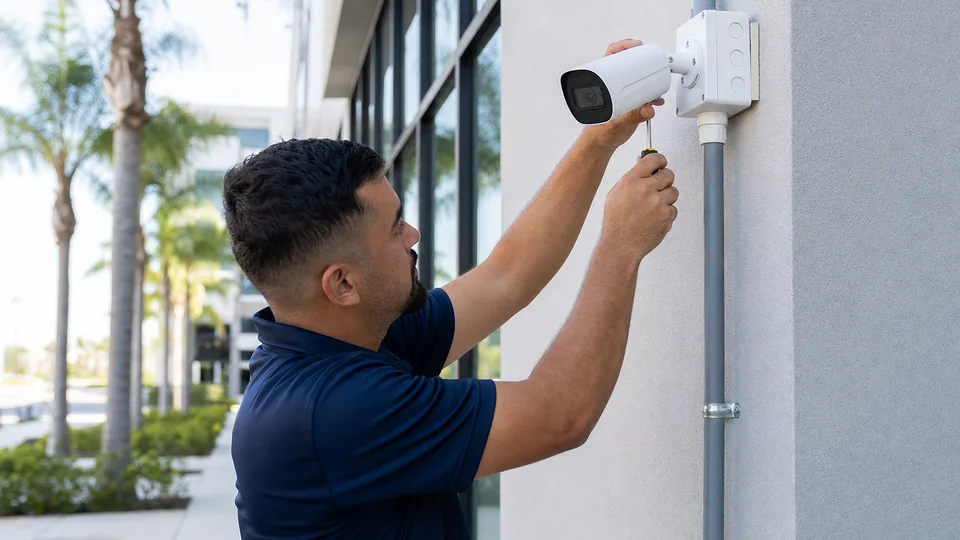
Use Security Camera Installation when the project needs that related service scope in addition to Gate and Entry Systems.
Review Camera Services
Use IP Video Surveillance when the project needs that related service scope in addition to Gate and Entry Systems.
View IP Video
Use Structured Cabling when the project needs that related service scope in addition to Gate and Entry Systems.
Review Cabling
Use Fiber Optic Services when the project needs that related service scope in addition to Gate and Entry Systems.
View Fiber Services
Use Network Infrastructure when the project needs that related service scope in addition to Gate and Entry Systems.
Review NetworkRELATED INDUSTRIES
Plan camera coverage for storefronts, office entrances, reception areas, stockrooms, parking, and after-hours activity.
View Retail & Office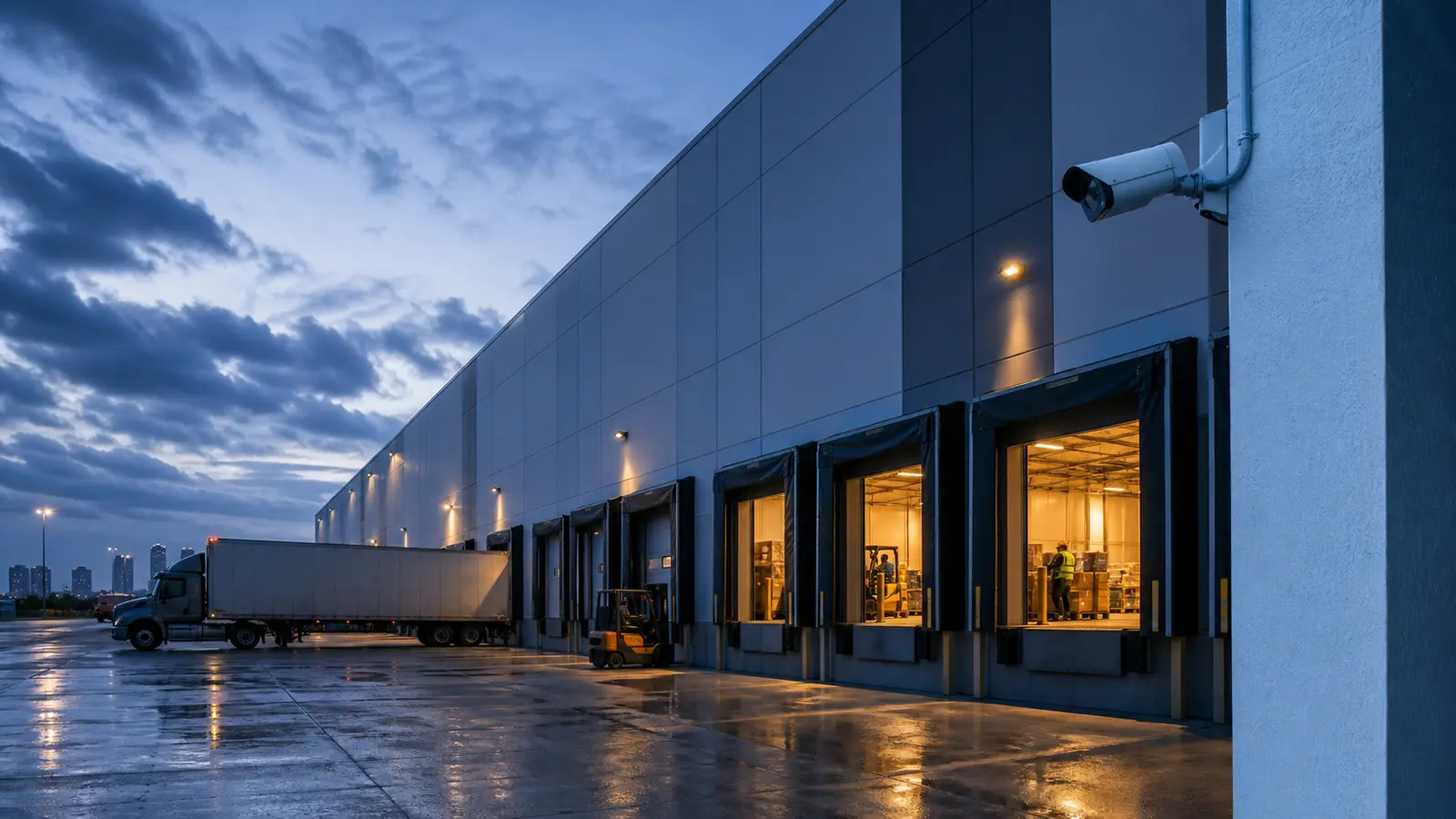
Plan camera coverage for loading docks, receiving areas, warehouse aisles, inventory zones, exterior yards, and logistics operations.
View Warehouse & Logistics
Plan camera coverage for community entrances, gates, lobbies, garages, amenities, package areas, and shared spaces.
View HOA & Condominium
Plan camera coverage for production floors, equipment zones, yards, gates, elevated views, and multi-building industrial sites.
View Industrial Facilities
Plan managed-property standards for camera coverage, remote access, permissions, documentation, and long-term serviceability.
View Property Management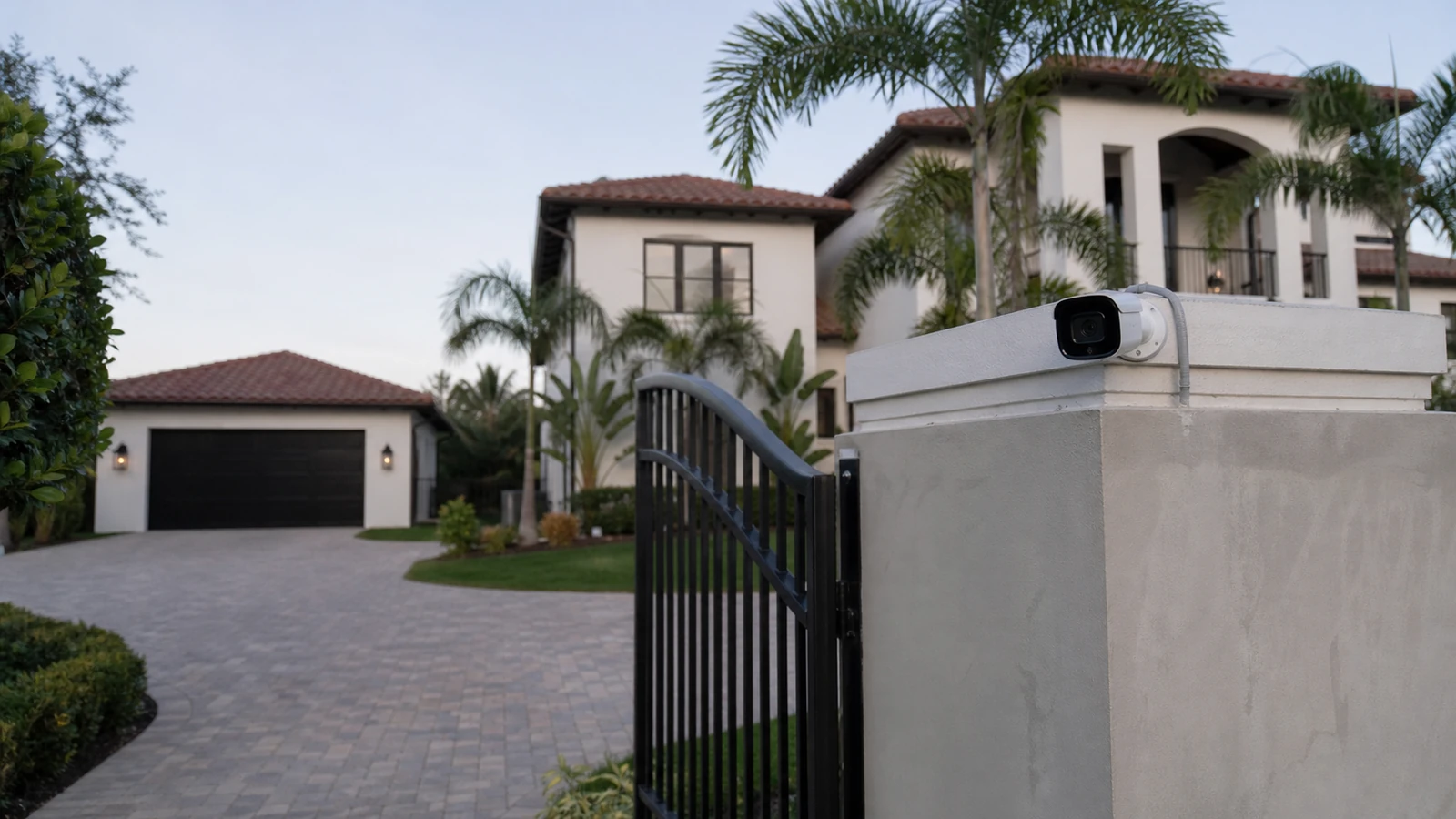
Plan professional camera coverage for larger homes, gated properties, driveways, detached buildings, NVRs, and managed access.
View Select ResidentialPROCESS
Review entrances, users, traffic, devices, existing systems, pathways, network, power, administration, and coordination boundaries.
Define approved components, locations, cabling, connectivity, schedules, roles, labels, documentation, and responsible-party interfaces.
Install approved low-voltage components, configure supported functions, coordinate dependencies, label devices, and verify the defined workflow.
Test approved functions, record exceptions, provide operating and administration guidance, and document support and expansion considerations.
FAQ
The approved low-voltage scope may include readers, keypads, intercom stations, access controllers, cameras, network links, copper or fiber backbones, outdoor enclosures, schedules, audit events, labeling, documentation, and coordination with gate-operator and safety-device parties.
Gate and Entry Systems covers the broader perimeter workflow for vehicles, pedestrians, visitors, residents, employees, and deliveries. Intercom System Installation covers two-way visitor communication, answering, directories, and approved release workflows.
Door Access Control Systems focuses on controlled building doors, readers, credentials, permissions, schedules, and door-device architecture. Gate and Entry Systems focuses on perimeter approaches and gate-side entry operations.
Many platforms can support several credential methods, but availability depends on readers, software, licensing, radio conditions, mobile requirements, management policy, and the existing gate environment.
Yes, with a compatible telephone or video entry system and an approved call-routing and release workflow. Directory, cellular, network, licensing, and user-management requirements must be verified.
No. Data Pro Communications provides approved low-voltage access, intercom, camera, network, cabling, and coordination scope. Gate-operator manufacture, mechanical service, safety-device certification, structural, civil, line-voltage, fire, and life-safety work may require other qualified parties.
No universal recognition result can be guaranteed. Useful plate context depends on camera type, angle, distance, speed, lighting, lane design, weather, image settings, and the selected analytics platform.
Fiber may be appropriate when the gate is beyond practical copper distance, requires electrical isolation, needs higher backbone capacity, or crosses an exposed outdoor route. Pathway, termination, enclosure, and power conditions should be surveyed.
Heat, humidity, rain, sunlight, salt air, insects, drainage, lightning, surge exposure, vandalism risk, mounting stability, vehicle impact zones, and enclosure ventilation can affect selection and placement.
Supported access-control platforms can apply different schedules, groups, expiration dates, and permissions to defined user types, subject to the selected system and management rules.
Confirm traffic flow, gate type, operator interface, safety boundaries, visitor and delivery workflows, credentials, answering responsibility, camera views, trench or conduit routes, distance, network, power, enclosures, and future expansion.
The approved handoff can include gate and device names, labels, controller and network references, schedule notes, directory or credential administration guidance, tested functions, coordination boundaries, and support information.
Request a site survey to review the property, operating workflow, existing equipment, infrastructure, coordination boundaries, documentation, and practical next steps.